
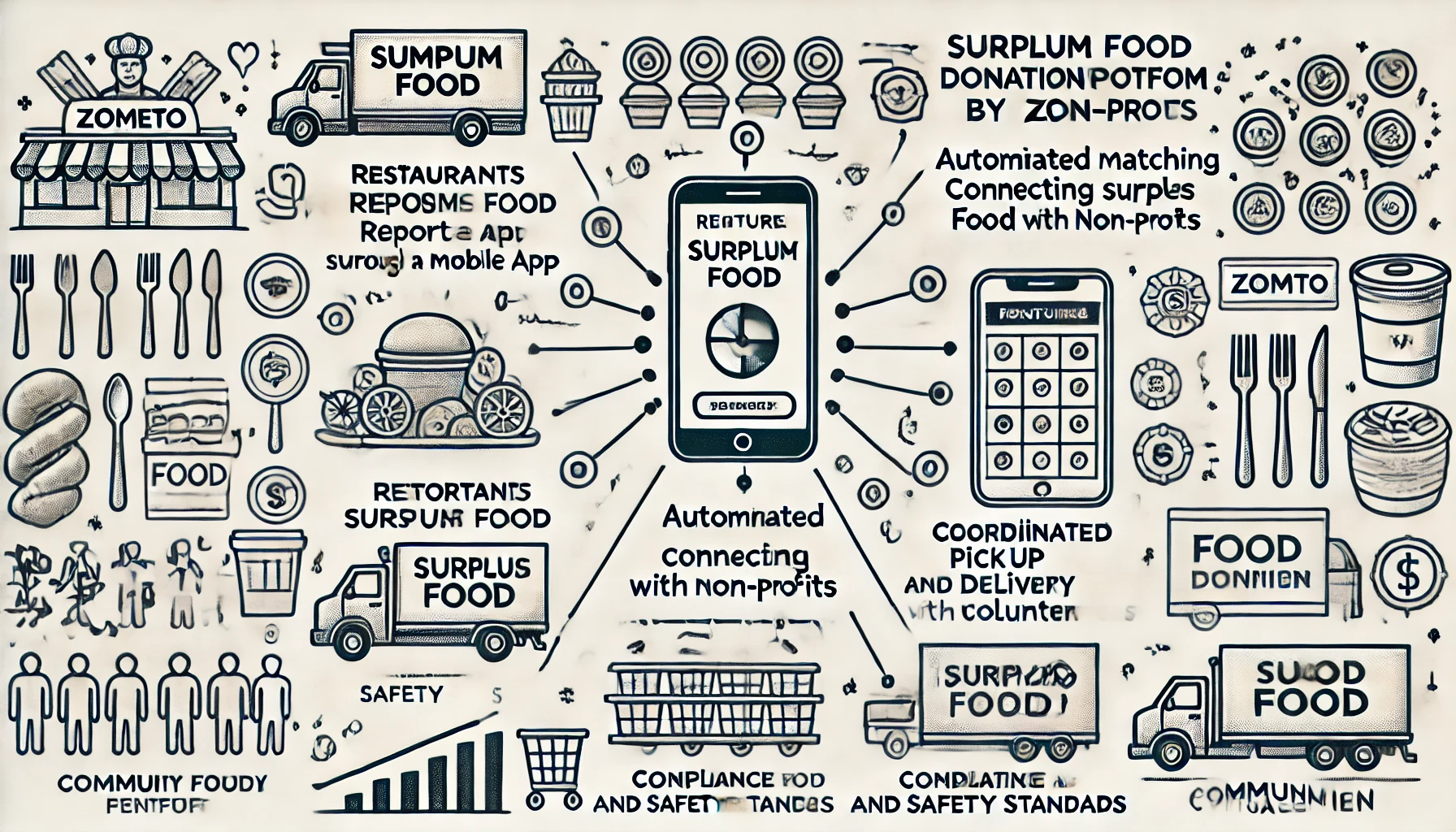
Vision Behind Zomato’s Idea :
To develop a robust and efficient platform that connects restaurants with surplus food to non-profit organizations and volunteers, ensuring that excess food reaches those in need rather than being wasted. This initiative aims to reduce food waste, alleviate hunger, and promote social responsibility among businesses and communities.
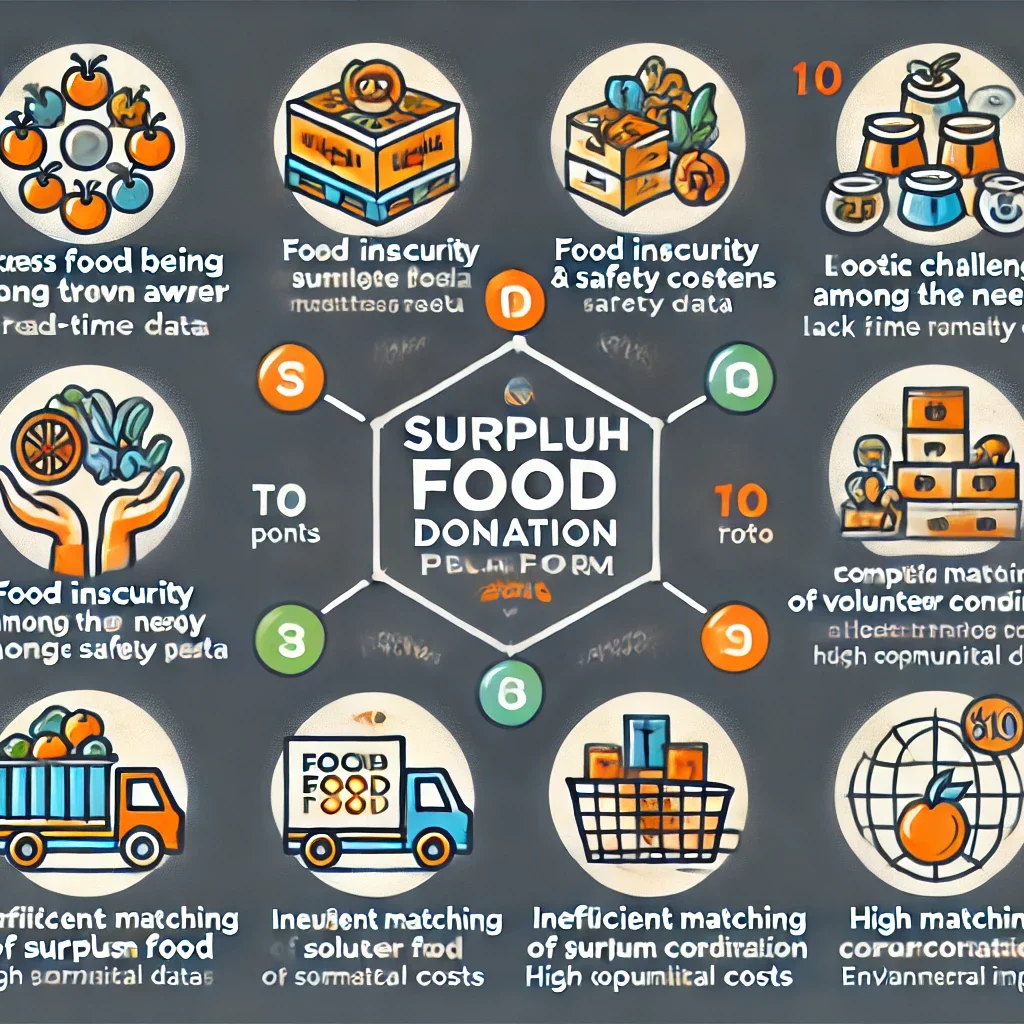
What are the biggest pain points they experience when trying to achieve their goals?
- Food Waste: Restaurants often have surplus food that goes to waste, leading to increased waste disposal costs and environmental harm.
- Logistical Challenges: Coordinating the collection and distribution of surplus food can be complex, requiring efficient logistics and volunteer management.
- Food Safety Concerns: Ensuring that surplus food is safe for consumption and complies with health regulations is crucial.
- Awareness and Engagement: Lack of awareness and participation among restaurants and non-profit organizations can hinder the success of food donation initiatives.
- Regulatory Compliance: Navigating the legalities of food donation, including liability and tax incentives, can be challenging for restaurants.
- Storage and Transportation: Adequate storage and transportation facilities are needed to maintain the quality and safety of donated food.
- Data and Tracking: Monitoring and reporting the impact of food donations, such as the amount of food saved and meals provided, requires robust data management systems.
- Matching Supply with Demand: Effectively matching surplus food with the right non-profit organizations and beneficiaries can be difficult.
- Volunteer Coordination: Recruiting, training, and managing volunteers for food collection and distribution is essential for smooth operations.
- Sustainability and Scalability: Ensuring the long-term sustainability and scalability of the food donation platform requires continuous innovation and funding.
Innovations that Helps to Solve the Problem:
- Real-Time Surplus Food Reporting:
Develop a platform where restaurants can report surplus food in real-time, categorized by type, quantity, and expiration date. - Automated Matching System:
Implement an algorithm to automatically match reported surplus food with nearby non-profits and shelters based on their needs. - Smart Logistics Coordination:
Use AI and IoT to optimize logistics, coordinating volunteer drivers and vehicles for efficient food pickup and delivery. - Food Safety Assurance:
Provide training and resources to ensure that all donated food meets safety standards and complies with health regulations. - Community Engagement Tools:
Launch campaigns and provide tools to raise awareness and encourage participation among restaurants, volunteers, and non-profits. - Regulatory Support:
Offer guidance on legal compliance, including liability protection and tax benefits for food donations. - Temperature-Controlled Storage:
Partner with companies to provide temperature-controlled storage solutions for perishable food items. - Impact Analytics:
Develop dashboards to track and report on the impact of food donations, such as the amount of food saved and the number of meals provided. - Mobile Apps for Coordination:
Create mobile applications for restaurants, volunteers, and non-profits to facilitate easy communication and coordination. - Sustainable Practices:
Implement eco-friendly practices in logistics and operations to reduce the carbon footprint of food donation activities.
Top 10 Startups Who already Working for this Issue :
- Food Rescue US:
Connects food donors with volunteers who deliver surplus food to social service agencies. - Copia:
Provides a technology platform to manage food surplus and match it with those in need. - Too Good To Go:
Offers an app that allows consumers to purchase surplus food from restaurants at reduced prices. - Food Cowboy:
Redirects rejected food from wholesalers and truckers to food banks and charities. - OLIO:
A food-sharing app that connects neighbors and local businesses to share surplus food. - ResQ Club:
Enables restaurants to sell surplus food to consumers at discounted rates through an app. - RePlate:
Provides a technology platform for businesses to schedule pickups of surplus food for donation. - Transfernation:
Facilitates the donation of surplus food from corporate events and cafeterias to local shelters. - Hungry Harvest:
Delivers surplus produce to consumers while donating a portion of every delivery to those in need. - Food For All:
Partners with restaurants to sell surplus food to consumers at discounted prices.
Conclusion :
Developing a platform to repurpose surplus food from restaurants for the needy can significantly reduce food waste and address hunger. By leveraging advanced technologies, such as real-time reporting, automated matching systems, and smart logistics coordination, the platform can efficiently connect surplus food with those in need. Ensuring food safety, providing regulatory support, and engaging the community are essential components of this initiative.
Learning from innovative startups and implementing sustainable practices will ensure the platform’s success and scalability. This initiative aligns with Zomato’s commitment to sustainability and social responsibility, making a positive impact on society and the environment.
