Product Vision :
Our vision is to lead the automotive industry towards a sustainable future by developing affordable, high-performance eco-friendly vehicles. We aim to minimize the environmental impact of our products through innovative technology, sustainable manufacturing practices, and strategic partnerships. Our vehicles will provide consumers with reliable, efficient, and eco-friendly transportation options, supported by a robust charging infrastructure and comprehensive recycling programs. By prioritizing sustainability and consumer needs, we will drive the transition to a greener automotive industry and contribute to a healthier planet, with the first line of eco-friendly vehicles launching by Q4 2025.
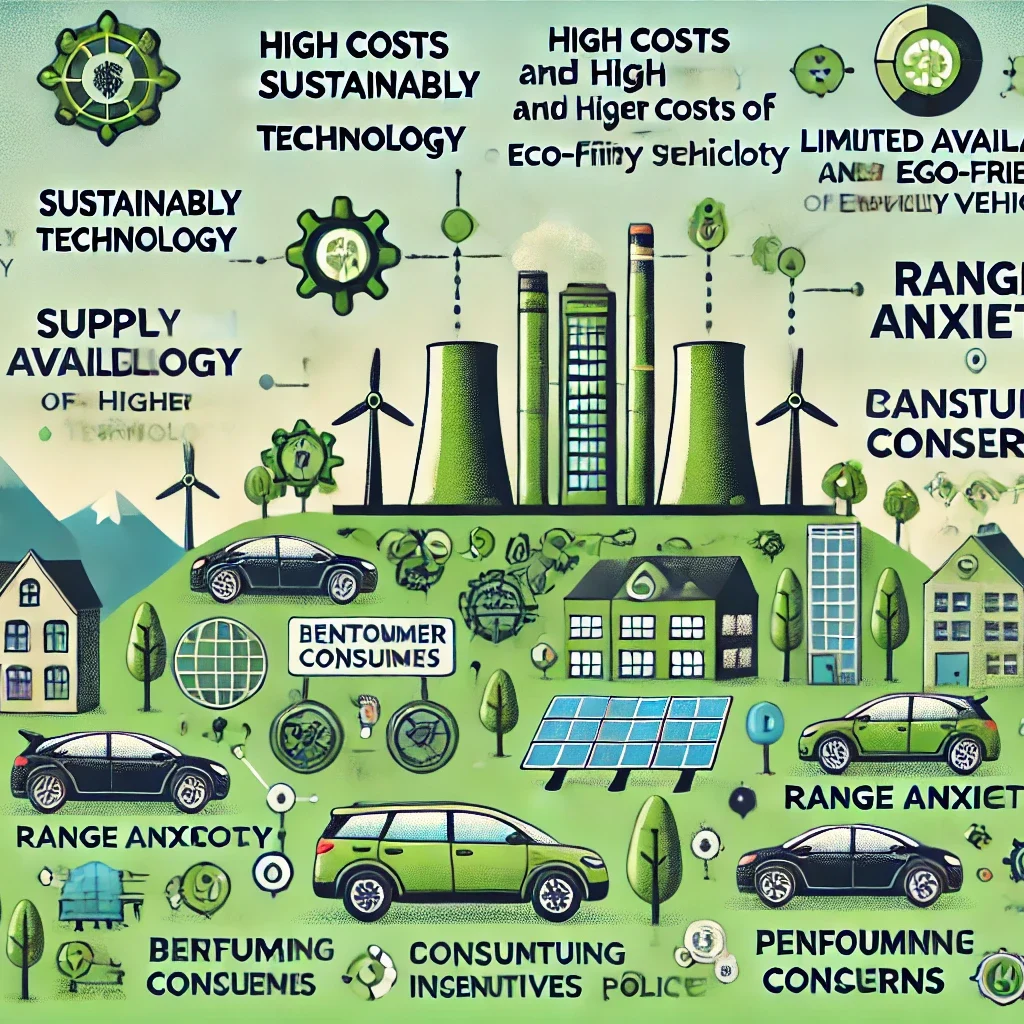
What are the biggest pain points they experience when trying to achieve their goals?
- Automotive Manufacturers:
- High costs of adopting new sustainable technologies and practices.
- Supply chain disruptions when sourcing eco-friendly materials.
- Consumers:
- Limited availability and higher costs of eco-friendly vehicles.
- Lack of infrastructure for electric vehicle charging and maintenance.
- Regulatory Bodies:
- Challenges in enforcing and monitoring compliance with environmental regulations.
- Balancing economic growth with environmental protection.
- Environmental Organizations:
- Difficulty in influencing large-scale industry changes.
- Limited resources to advocate for and implement sustainable practices.
- Suppliers:
- High costs and technical challenges in providing eco-friendly materials.
- Meeting the quality and performance standards of automotive manufacturers.
- Dealers:
- Limited consumer awareness and demand for eco-friendly vehicles.
- Training staff to understand and sell new technologies.
- Service Providers:
- Need for specialized training and equipment to service eco-friendly vehicles.
- Keeping up with rapid technological advancements.
- Local Communities:
- Health impacts from pollution caused by manufacturing plants and vehicle emissions.
- Economic dependence on automotive industry jobs versus environmental concerns.
- Investors:
- Uncertainty in the return on investment in sustainable automotive technologies.
- Navigating regulatory and market risks associated with eco-friendly vehicles.
- Employees:
- Job security concerns amidst shifts to more sustainable practices.
- Need for retraining and upskilling for new technologies.
Innovations that Helps to Solve this Problem:
- Battery Technology:
- Solid-state batteries, fast-charging solutions, and longer-lasting battery life.
- Autonomous Driving:
- Advanced driver-assistance systems (ADAS) and fully autonomous vehicle technology.
- Lightweight Materials:
- Use of carbon fiber and other lightweight materials to improve fuel efficiency.
- Renewable Energy Integration:
- Solar-powered vehicles and integration with renewable energy sources.
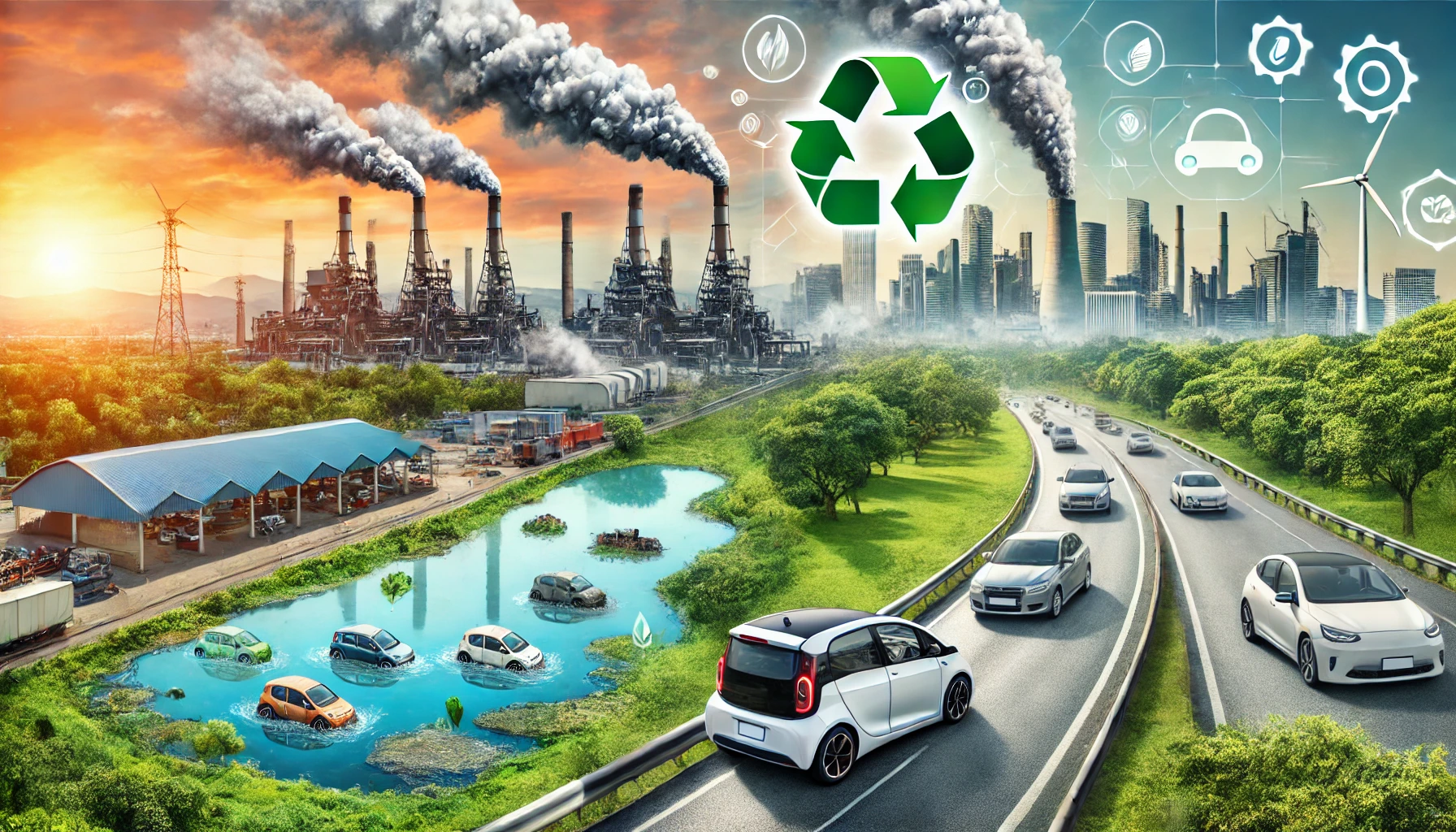
- Recycling Programs:
- Programs for recycling batteries and vehicle components.
- Hydrogen Fuel Cells:
- Development of hydrogen fuel cell vehicles for zero-emission transportation.
- Vehicle-to-Grid Technology:
- Enabling EVs to supply power back to the grid.
- Smart Charging Infrastructure:
- Development of intelligent charging networks and solutions.
- Sustainable Manufacturing:
- Adoption of green manufacturing processes and materials.
- Connected Vehicles:
- Integration of IoT for improved vehicle connectivity and efficiency.
Top 10 Startups Who already Working for this Issue :
- Rivian
- Lucid Motors
- NIO
- Xpeng Motors
- Canoo
- Fisker Inc.
- Arrival
- Lordstown Motors
- Proterra
- Bollinger Motors
Conclusion :
The automotive industry is a major contributor to environmental pollution, with significant impacts from exhaust emissions and manufacturing processes. As the world becomes more environmentally conscious, there is a growing demand for sustainable practices and eco-friendly vehicles. Key pain points include high costs of adopting new technologies, supply chain disruptions, limited availability and higher costs of eco-friendly vehicles, insufficient infrastructure, range anxiety, battery life and recycling issues, lack of consumer awareness, and manufacturing emissions.
Major players like Tesla, Toyota, BMW, Ford, and Volkswagen are leading the charge towards sustainability with innovations in electric and hybrid vehicles, sustainable manufacturing, and renewable energy integration. Startups like Rivian, Lucid Motors, and NIO are also making significant strides in this space. Despite these advancements, gaps remain in affordability, infrastructure, and comprehensive recycling programs.
Our product vision focuses on developing affordable, high-performance eco-friendly vehicles supported by robust infrastructure and comprehensive recycling programs. We aim to launch our first line of eco-friendly vehicles by Q4 2025, with ongoing innovations to address the evolving needs of consumers and the environment. By leveraging our strengths in technology, sustainability, and strategic partnerships, we will drive the transition to a greener automotive industry and contribute to a healthier planet.