Problem Statement:
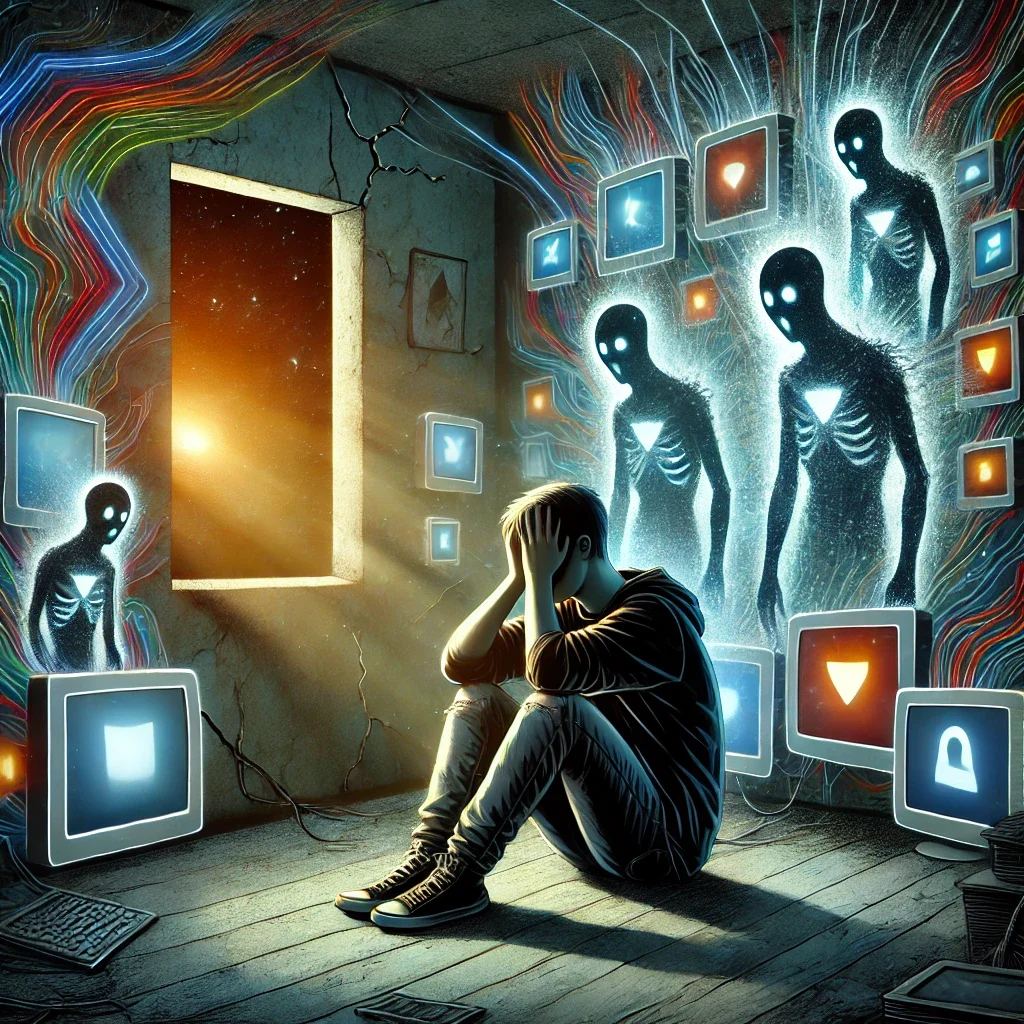
The rapid adoption of digital technologies and social media platforms has revolutionized how people connect, work, and live. However, this connectivity comes at a cost. Excessive time spent on social media often fosters a culture of comparison, where users measure their lives against curated content, leading to feelings of anxiety, inadequacy and self-doubt. Cyberbullying, a significant byproduct of these platforms, further exacerbates emotional distress, particularly in vulnerable populations such as teenagers and young adults. Meanwhile, the very nature of online interactions can result in surface-level relationships, leaving individuals feeling isolated and disconnected in real life. If left unaddressed, these factors could amplify the growing global mental health crisis, placing immense pressure on healthcare systems and society.
Pain Points:
- Social comparison-induced anxiety: Constant exposure to curated online content leads users to compare themselves to others, resulting in self-doubt and low self-esteem.
- Cyberbullying: Harassment and abuse on social media platforms lead to mental trauma, fear, and withdrawal.
- Loneliness and isolation: Overreliance on online interactions can lead to a lack of meaningful real-world connections.
- Fear of missing out (FOMO): Anxiety caused by seeing others seemingly live more exciting or fulfilling lives.
- Overload and burnout: Continuous notifications and online interactions leave users overwhelmed and emotionally drained.
- Privacy concerns and paranoia: Fear of data breaches and misuse of personal information increases stress.
- Barriers to seeking help: Lack of access to affordable and stigma-free mental health support deters people from addressing their issues.
- Addiction to technology: Excessive use of smartphones and social media platforms creates dependency, harming mental well-being.
- Parental helplessness: Parents feel powerless to monitor and mitigate their children’s social media exposure.
- Lack of prevention tools: Insufficient digital tools to proactively track or prevent mental health issues arising from online activities.
Product Vision:
The product will be a comprehensive mental health platform designed specifically to address the negative psychological effects of constant connectivity and social media use. It will empower users to proactively manage their mental well-being, foster meaningful offline connections, and mitigate the risks of anxiety, depression, and isolation. By leveraging AI, behavioral analytics, and evidence-based practices, the platform will deliver personalized mental health tools, actionable insights, and prevention-focused strategies for individuals, parents, and mental health professionals.
Key principles of the product vision include:
- Proactive Approach: Focus on identifying and addressing early signs of mental distress, emphasizing prevention rather than crisis management.
- Personalization: Tailored interventions based on user demographics, digital habits, and preferences, ensuring relevance and impact.
- Education and Empowerment: Equip users with knowledge and skills to build healthy relationships with digital technologies and social media.
- Community and Connection: Foster meaningful offline interactions and provide safe spaces for peer support.
- Accessibility: Ensure affordability and inclusivity, catering to underserved communities and marginalized groups.
The platform will act as a “digital mental health companion” that integrates seamlessly into daily life, encouraging healthy digital habits and fostering a sense of balance, purpose, and connection.
Summary:
As digital technologies and social media become integral to daily life, mental health challenges like anxiety, depression, and loneliness are reaching alarming levels. Constant connectivity fosters unhealthy behaviors, such as social comparison, cyberbullying, and addiction, which exacerbate mental health struggles. These issues disproportionately affect teenagers, young adults, and parents, creating a sense of isolation and emotional burnout while increasing societal pressure on mental health systems.
Existing solutions, such as Calm, Headspace, and BetterHelp, focus on general mental health management but fail to adequately address the specific impacts of digital technologies. Gaps include the lack of prevention-focused tools, insufficient personalized interventions, and limited solutions for fostering meaningful offline connections.
The proposed product is a comprehensive mental health platform designed to mitigate the mental health impacts of constant connectivity. It will feature AI-driven sentiment analysis, personalized CBT modules, digital detox plans, and tools for combating cyberbullying. A parental dashboard and real-time stress tracking will further enhance its capabilities. The platform emphasizes proactive and preventative care while fostering community-driven, offline interactions.
This initiative positions itself as a market leader by addressing the unique challenges of the digital era, providing an accessible and personalized solution that prioritizes prevention and emotional well-being. With an estimated launch by April 2026, this platform aims to transform mental health care in a connected world.