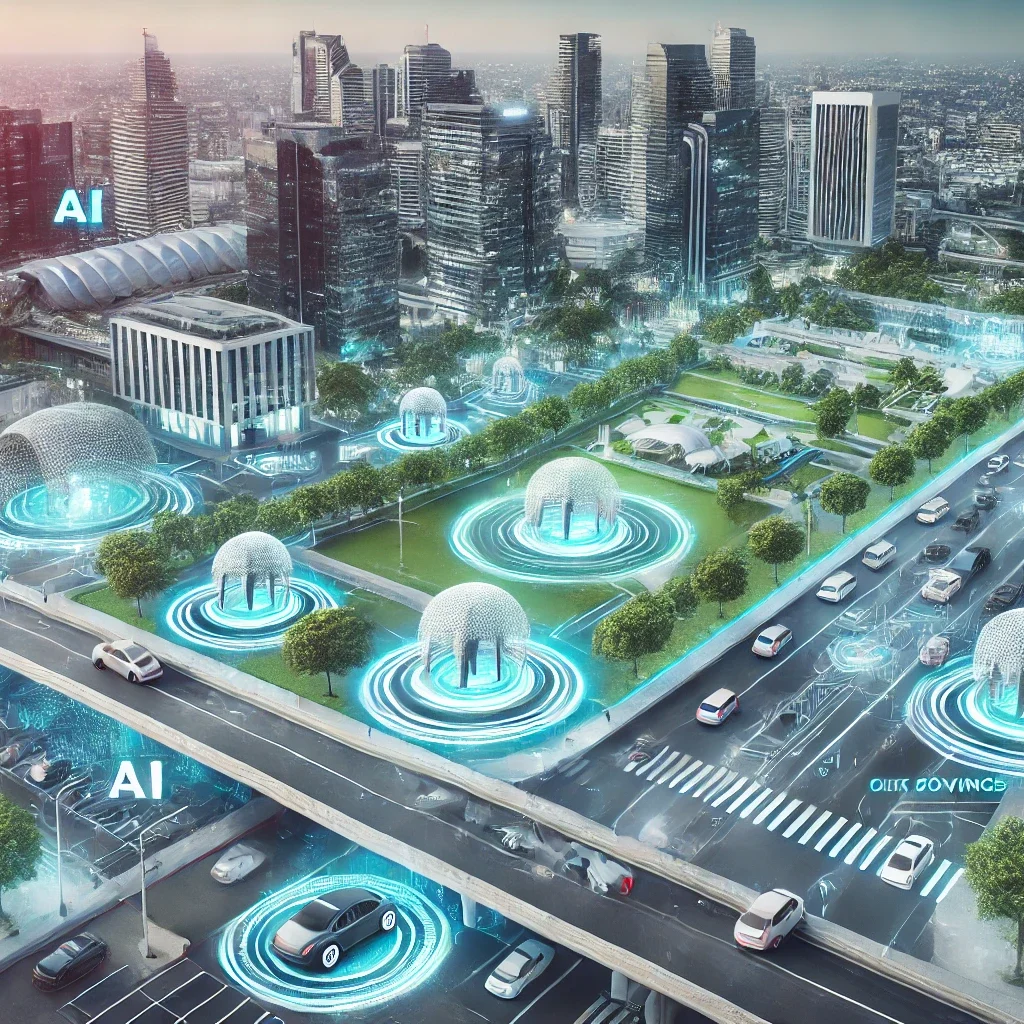
Parking infrastructure is a major expense for both cities and businesses, requiring significant capital investment, land use, and ongoing maintenance. In urban areas, a growing population and increasing vehicle ownership contribute to traffic congestion and demand for more parking, leading to inefficient land allocation. Cities face pressure to allocate more space for parking rather than green spaces, pedestrian zones, or other sustainable urban developments. Businesses, on the other hand, must invest in parking facilities to attract customers and employees, further increasing operational costs.
However, with advancements in shared mobility—such as ride-sharing, carpooling, micro-mobility, and public transit integration—there is an opportunity to rethink traditional parking models. Instead of increasing parking supply, urban planning should focus on reducing car dependency, optimizing existing parking assets, and integrating smart mobility solutions. The challenge is to develop innovative strategies that encourage shared mobility, minimize parking infrastructure costs, and promote sustainable city growth.
Pain Points
- High Maintenance Costs – Parking lots require significant financial investment in construction, maintenance, and security.
- Inefficient Land Use – Valuable urban space is used for parking instead of residential, commercial, or green areas.
- Traffic Congestion – More parking attracts more vehicles, leading to increased congestion and pollution.
- Underutilized Parking Spaces – Many parking lots remain empty at off-peak hours, leading to wasted resources.
- Lack of Shared Mobility Integration – Cities struggle to implement seamless mobility solutions that reduce car dependency.
- Environmental Impact – Expanding parking infrastructure increases carbon emissions and reduces urban greenery.
- Expensive Parking for Commuters – High parking fees burden daily commuters, making cities less affordable.
- Lack of Real-time Parking Availability – Drivers spend unnecessary time searching for parking, contributing to congestion.
- Resistance to Change – Businesses and local governments hesitate to adopt new mobility solutions due to legacy infrastructure and regulations.
- Safety & Security Issues – Poorly maintained or isolated parking lots can lead to crime and vandalism concerns.
Key Competitors
- ParkWhiz – A digital platform that allows users to find and pre-book parking spaces in urban areas. Helps optimize parking usage but does not reduce dependency on personal vehicles.
- SpotHero – A marketplace for parking spots, allowing users to compare rates and book spaces in advance. Similar to ParkWhiz, it improves efficiency but doesn’t directly promote shared mobility.
- Uber & Lyft – Ride-sharing giants that help reduce personal car ownership but still contribute to urban congestion.
- Lime & Bird – Micro-mobility startups offering shared e-scooters and bikes, reducing short-distance car trips. However, adoption varies across cities.
- Waymo (Google’s Self-Driving Car Division) – Focuses on autonomous shared mobility but is still in early stages of adoption.
Startups Innovating
- CurbFlow – Uses AI-powered curb management solutions to optimize urban parking and reduce congestion.
- Reef Technology – Converts underutilized parking lots into mobility and logistics hubs.
- JustPark – A UK-based startup enabling homeowners and businesses to rent out unused parking spaces.
- FlashParking – Provides smart parking solutions, including EV charging and demand-based pricing.
- Metropolis – AI-driven automated parking solutions for cashless transactions and seamless entry/exit.
- SWAT Mobility – Focuses on AI-powered ride-pooling solutions to reduce the need for personal vehicles.
- Getaround – Peer-to-peer car-sharing service enabling car owners to rent their vehicles when not in use.
- Bolt (formerly Taxify) – Offers ride-sharing, micro-mobility, and food delivery in an integrated ecosystem.
- Parklio – Provides smart parking barriers and reservation systems for better parking management.
- Skyports – Develops infrastructure for urban air mobility, potentially reducing ground traffic congestion.
Top Innovations
- AI-powered Smart Parking – Using sensors and AI to optimize parking space utilization in real time.
- Mobility Hubs – Transforming parking lots into multi-use spaces for EV charging, bike-sharing, and logistics.
- Autonomous Valet Parking – Cars that park themselves, reducing space wastage in parking lots.
- Dynamic Pricing for Parking – Real-time price adjustments based on demand, similar to surge pricing in ride-sharing.
- Curbside Management Platforms – Optimizing parking for delivery vehicles to reduce congestion.
- Hyperloop & Urban Air Mobility – Long-term solutions aimed at drastically reducing ground-based congestion.
- AI-powered Ride-pooling – More efficient carpooling algorithms to encourage shared mobility.
- EV Charging + Parking Integration – Converting parking spots into EV charging stations to encourage sustainability.
- Data-driven Urban Planning – Using parking and traffic data to redesign cities for shared mobility.
- Automated Parking Towers – Vertical, robotic parking systems that maximize land use.
Recent Investments in the Space
- Reef Technology raised $700M (Nov 2020) from SoftBank and Mubadala to repurpose parking lots into urban hubs.
- Getaround secured $140M (Aug 2022) to expand peer-to-peer car sharing.
- FlashParking received $60M (Jan 2020) to enhance its smart parking and mobility hub technology.
- Metropolis raised $167M (March 2023) for AI-powered automated parking.
- Lime secured $523M (Nov 2021) to expand shared e-scooter and bike services.
Key Gaps in Existing Solutions
- Lack of Shared Parking Integration – Current solutions (like SpotHero, ParkWhiz) optimize parking usage but do not reduce the demand for parking itself.
- Limited Adoption of Multi-Modal Mobility – Ride-sharing, micro-mobility, and public transit are often not well-integrated, leading to fragmented user experiences.
- Static Parking Infrastructure – Most parking spaces are underutilized at off-peak times, but no widespread solution exists to dynamically repurpose them.
- Lack of AI-Driven Optimization – Parking and mobility data are not fully used to predict demand and optimize urban planning.
- High Cost of Parking Infrastructure Maintenance – Cities and businesses continue investing in new parking lots instead of more efficient shared solutions.
Product Vision
🚀 Product Name: SmartShared Mobility Hub
Vision Statement:
SmartShared Mobility Hub is an AI-powered urban mobility platform designed to reduce parking demand and optimize shared mobility solutions. By transforming traditional parking spaces into multi-functional mobility hubs, we help cities and businesses reduce parking infrastructure costs while enhancing urban efficiency and sustainability.
How It Works:
- Smart Parking Repurposing: AI-based allocation of parking spaces for ride-sharing, micro-mobility, EV charging, and delivery zones instead of just car parking.
- AI-Driven Demand Prediction: Uses data analytics to optimize urban mobility based on real-time traffic and parking usage patterns.
- Seamless Multi-Modal Integration: Connects ride-sharing, public transit, bike-sharing, and e-scooters into a single user-friendly platform.
- Incentives for Shared Mobility: Provides discounts and rewards for users who choose carpooling, micro-mobility, or public transit over private vehicle use.
- Dynamic Parking Space Utilization: Converts parking spaces into pop-up logistics hubs, reducing empty lot wastage and optimizing urban land use.
- Corporate & Government Partnerships: Works with businesses and municipalities to implement shared mobility policies that minimize new parking developments.
- Sustainability & Carbon Reduction Metrics: Provides insights on how shared mobility reduces CO₂ emissions and improves urban efficiency.
Use Cases
- Office Commuters – Employees receive subsidized ride-sharing or micro-mobility options instead of needing dedicated parking.
- Retail & Shopping Malls – Parking lots integrate dynamic pricing and shared spaces for deliveries, EV charging, and ride-hailing zones.
- Residential Complexes – Smart parking allocation to maximize available spots and promote car-sharing among residents.
- City Governments – Helps urban planners optimize road and parking infrastructure based on real-time mobility data.
- Logistics & Deliveries – Converts underutilized parking areas into micro-warehouses and last-mile delivery hubs.
- Event Venues & Stadiums – Dynamic space allocation for ride-sharing drop-offs, bike parking, and temporary logistics.
- Public Transit Hubs – Integrates real-time data to seamlessly connect buses, trains, and micro-mobility services.
- Tourist Hotspots – Provides short-term parking and shared mobility incentives to reduce congestion in high-traffic areas.
- Electric Vehicle (EV) Users – Repurposes parking spaces for EV charging, encouraging sustainable transport adoption.
- Real Estate Developers – Enables projects to reduce parking lot requirements by offering shared mobility alternatives.