Problem Statement
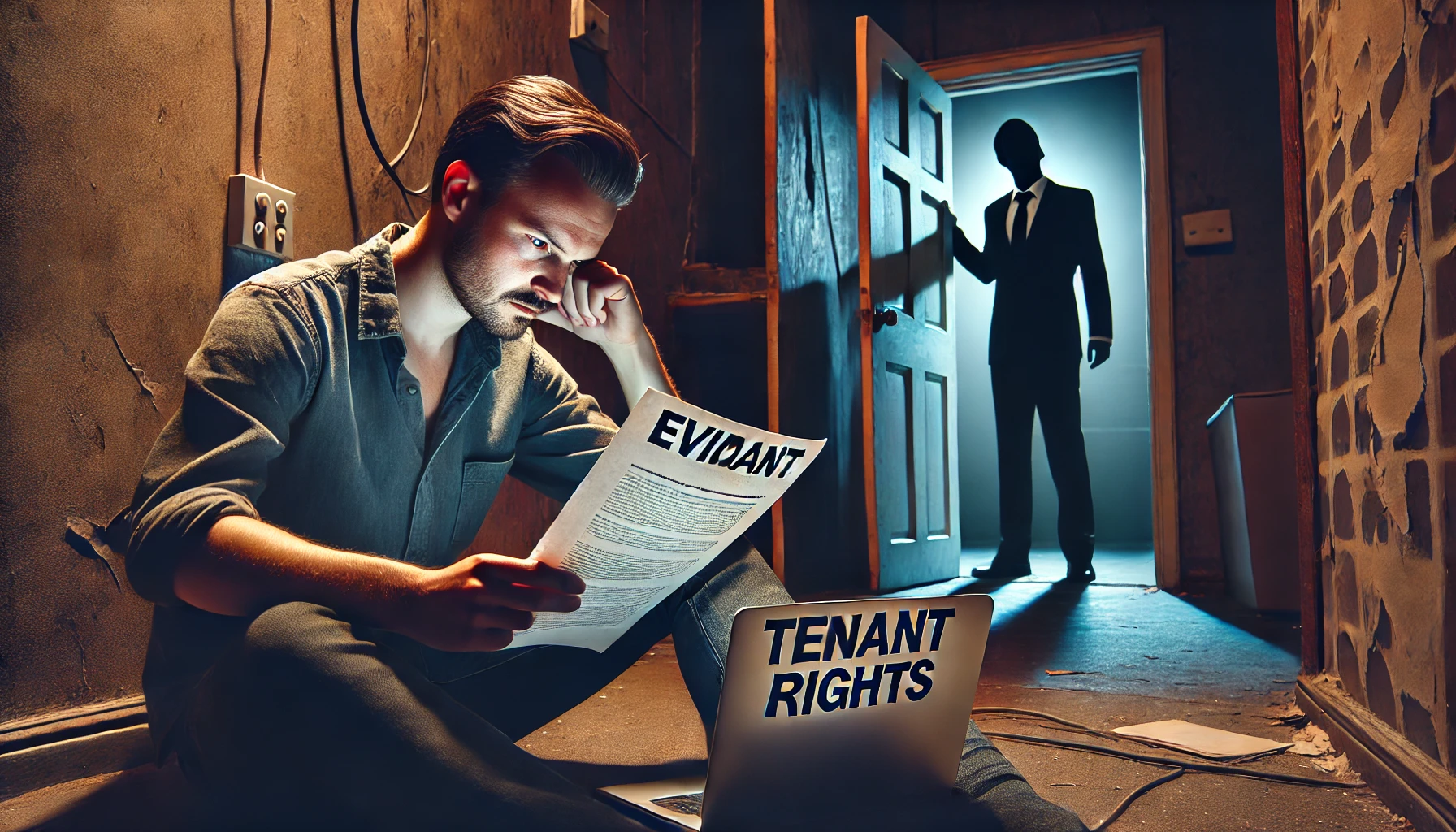
Many tenants face unjust treatment from landlords, including illegal evictions, unaddressed maintenance issues, and unjust rent increases. However, renters often lack awareness of their rights or the means to enforce them. Several key issues contribute to this:
- Limited Legal Knowledge: Many renters are unfamiliar with tenant protection laws, lease agreements, and eviction procedures, making them easy targets for exploitation.
- Lack of Accessible Legal Aid: Free or affordable legal support for renters is often scarce, especially in low-income communities.
- Complex Bureaucracy: Even when protections exist, navigating the legal system to file complaints or challenge wrongful evictions can be overwhelming.
- Power Imbalance: Landlords often have more financial and legal resources, giving them an advantage in disputes.
- Housing Shortages: In competitive rental markets, tenants may feel pressured to accept poor conditions or unfair treatment for fear of losing their home.
As a result, many renters end up displaced, facing housing insecurity, or stuck in unsafe living environments with no clear recourse.
Pain Points
- Lack of Legal Knowledge – Renters often do not understand their lease agreements or tenant rights.
- Unaffordable Legal Support – Lawyers specializing in tenant law are expensive and out of reach for most renters.
- Unfair Evictions – Landlords illegally evict tenants without due process, especially in areas with weak protections.
- Delayed Repairs & Unsafe Living Conditions – Tenants struggle to get landlords to fix urgent issues like leaks, mold, or heating problems.
- Retaliation by Landlords – Renters fear reporting violations due to the risk of eviction or harassment.
- Complex & Slow Complaint Processes – Government agencies often take too long to respond to tenant complaints.
- Security Deposit Theft – Many landlords unlawfully withhold or deduct large portions of security deposits.
- Hidden Fees & Rent Hikes – Unclear lease terms and sudden rent increases make housing costs unpredictable.
- Discrimination in Housing – Renters from marginalized groups face unfair treatment when applying for housing.
- Lack of Digital Resources – Most tenant rights information is buried in complex legal documents, making it hard to understand or access.
Key Competitors
Several companies and organizations are working to address renters’ issues, but most solutions are either limited in scope or difficult to access. Here are five key players:
- JustFix (USA) – A non-profit tech platform that helps tenants document housing issues and connect with legal aid.
- Avvo (USA) – An online legal marketplace that provides access to lawyers, but often at high costs.
- LegalShield (USA/Canada) – A subscription-based service that offers renters legal support, but not always tailored to tenant rights.
- OpenRent (UK) – A rental marketplace with some tenant protection features but focuses more on landlords.
- Nolo (USA) – Provides legal self-help guides, but lacks real-time assistance or advocacy for renters.
Startups Innovating in Tenant Protection
Several startups are emerging with new approaches to solving tenant issues. Here are ten notable ones:
- RentRedi – A tenant-landlord communication platform aimed at reducing disputes.
- TurboTenant – Offers renter screening and educational resources on tenant rights.
- FlatFair – Helps renters avoid large security deposits with an alternative payment model.
- PayRent – Enables renters to build credit history through rent payments.
- Evernest – A property management platform with a focus on fair rental practices.
- Zumper – A rental listing site that includes tenant protection tools.
- Obodo – A legal aid startup focused on tenant-landlord dispute resolution.
- SyndicateRoom – Invests in legal-tech startups working on tenant protection.
- Hello Landlord – An AI-powered tool that helps tenants write formal complaint letters.
- Citizen – Provides real-time reports on rental fraud and illegal evictions.
Gaps
While tenant protection tools exist, most are fragmented, expensive, or limited to specific locations. The biggest gaps include:
- Lack of a unified, user-friendly tenant rights platform – Most solutions are either too legalistic or lack automation.
- Limited free or low-cost legal assistance – Affordable legal help remains a challenge.
- Slow adoption of AI in legal aid – Most platforms still require manual navigation of legal processes.
- Insufficient landlord accountability – There is no centralized database tracking bad landlord behavior.
Product Vision
Based on our research, we need a solution that empowers renters by providing accessible, affordable, and automated legal support to fight against unfair housing practices. Our product should simplify tenant rights, offer legal assistance, and help renters take action against exploitative landlords.RentShield is an AI-powered tenant rights platform designed to educate, protect, and support renters facing unfair treatment from landlords. It provides renters with instant legal guidance, automated dispute resolution tools, and direct access to legal aid, ensuring they can fight back against wrongful evictions, unsafe housing conditions, and other illegal practices.
Use Cases
- Tenant Rights Education – AI chatbot provides instant answers on lease agreements, eviction laws, and maintenance rights.
- Automated Legal Document Generator – Renters can create official complaint letters, security deposit refund requests, and lease dispute notices.
- AI-Powered Case Assessment – Users describe their issue, and the system recommends legal actions based on local laws.
- Direct Connection to Legal Aid – Matches renters with pro bono or low-cost legal professionals.
- Eviction Protection Support – Step-by-step guidance on how to challenge wrongful evictions in court.
- Landlord Accountability Dashboard – Tenants can report and track complaints against landlords.
- Security Deposit Recovery – AI assists renters in filing claims for illegally withheld deposits.
- Housing Authority Integration – Automates filing complaints to local government agencies.
- Renter Community & Support Forum – A space for renters to share experiences, advice, and legal resources.
- Credit-Building Rent Payment System – Allows renters to report payments to credit bureaus, helping improve financial stability.
Summary
Millions of renters face unjust evictions, unsafe living conditions, and exploitative landlord practices, yet most lack access to affordable legal aid. RentShield aims to bridge this gap by providing AI-driven legal guidance, automated dispute resolution, and direct access to legal professionals at an affordable cost.
Currently, the tenant protection market is fragmented, with legal services either expensive, complex, or regionally limited. Our research shows that key pain points for renters include lack of legal knowledge, unaffordable legal assistance, slow complaint processes, and fear of landlord retaliation. Existing solutions—such as JustFix, Avvo, and LegalShield—offer partial support but fail to provide an integrated, easy-to-use platform for renters.
RentShield’s AI-powered chatbot, legal document generator, and landlord accountability dashboard will empower tenants to fight back against unlawful evictions, recover withheld security deposits, and report bad landlords. Our freemium model ensures basic legal support is accessible to all, while premium services offer advanced legal help.
The 12-month roadmap includes AI chatbot development, beta testing, a public launch, and a national-scale expansion. Future innovations will include a landlord rating system, government integrations, and credit-building rent payments.With a projected user base of 50,000+ within the first year, RentShield has the potential to revolutionize tenant rights and create a fairer rental ecosystem.
Published by Bhagyashree Ingale, JSPM Pune