Problem Statement:
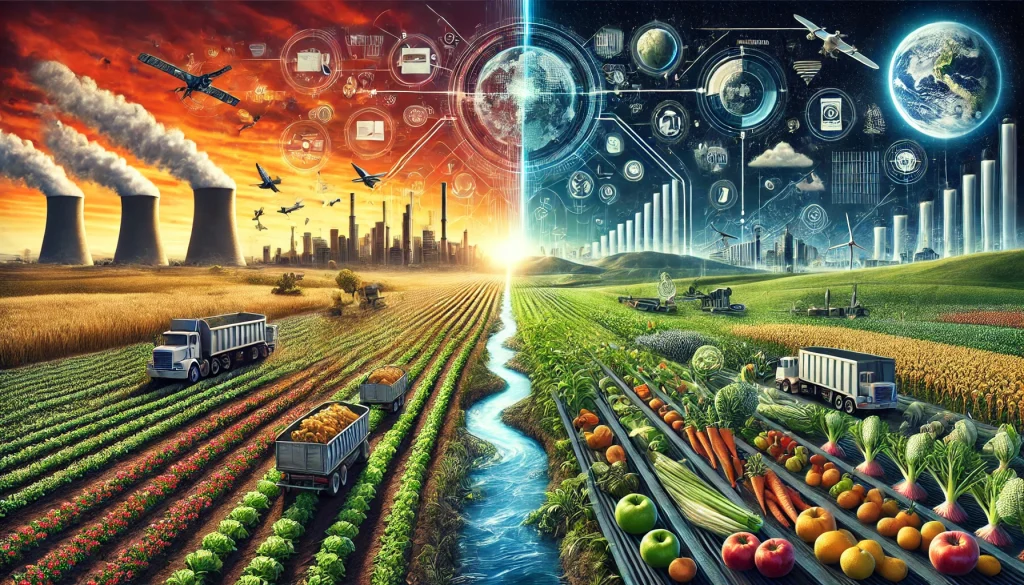
Globally, an estimated one-third of all food produced is wasted, with significant losses occurring at the farm level. This waste often results from inefficient harvesting, processing, and storage methods, particularly in developing regions where access to modern agricultural technologies is limited. For farmers, this loss translates into wasted resources, including water, energy, labor, and land. Beyond the economic implications, food waste is a major environmental concern. When wasted food decomposes in landfills, it emits methane, a potent greenhouse gas contributing to climate change. Additionally, the production of food that never reaches consumers’ tables unnecessarily intensifies deforestation, water scarcity, and biodiversity loss. The inefficiencies at the farm level represent a critical area for intervention. By addressing these inefficiencies, we can reduce food waste, enhance food security, and lessen the environmental footprint of agriculture. The challenge lies in developing a platform that can bridge the gap between traditional farming practices and modern technological solutions, providing farmers with the tools and knowledge they need to minimize waste and maximize sustainability.
Pain Points:
- Inefficient Harvesting Techniques: Traditional methods lead to significant crop loss in the field.
- Inadequate Storage Facilities: Poor storage conditions result in high post-harvest losses.
- Lack of Processing Infrastructure: Inability to process crops locally leads to spoilage.
- Limited Access to Markets: Farmers struggle to sell their produce before it spoils.
- High Costs of Modern Technologies: Financial barriers prevent the adoption of advanced tools.
- Lack of Education and Training: Farmers are often unaware of best practices for reducing waste.
- Transportation Challenges: Poor infrastructure causes delays, leading to spoilage during transit.
- Environmental Degradation: Food waste contributes to methane emissions and resource depletion.
- Regulatory Barriers: Complex regulations hinder efficient distribution and use of surplus food.
- Consumer Demand Fluctuations: Variability in demand leads to overproduction and waste.
Future Vision:
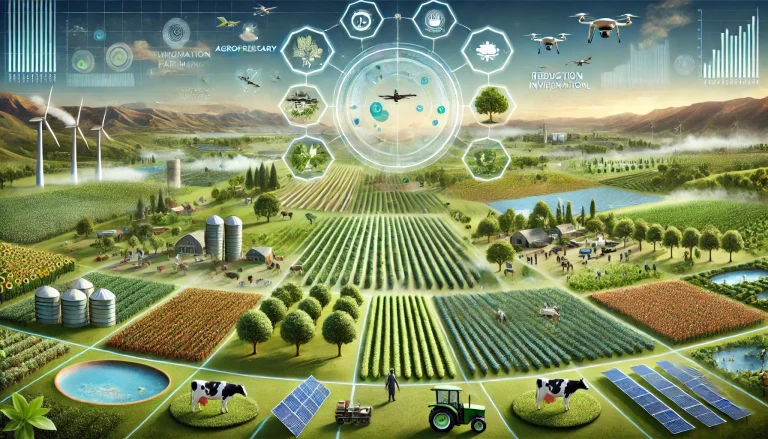
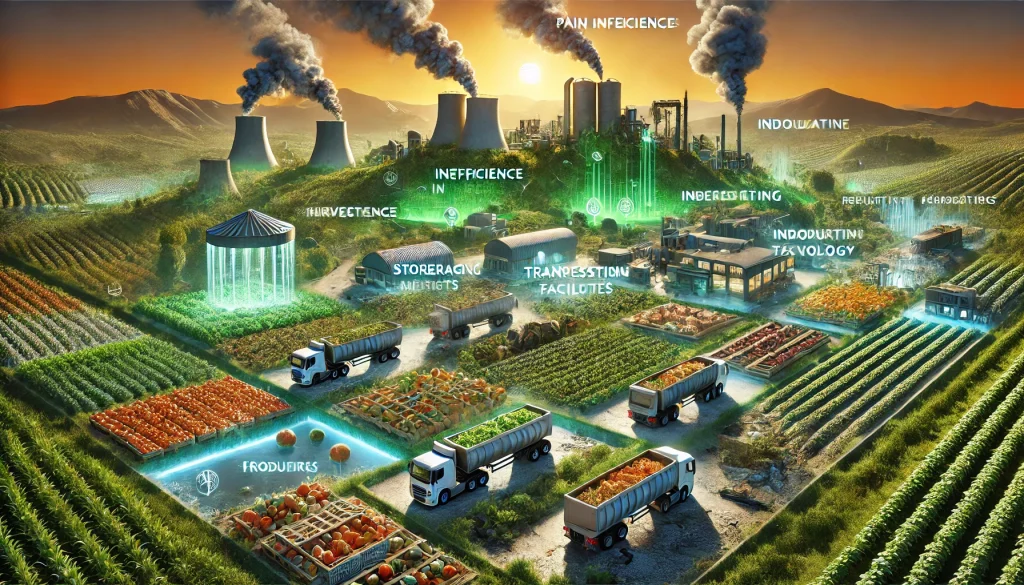
In the future, a dedicated platform designed to reduce food waste at the farm level could revolutionize the agricultural industry. This platform would integrate advanced technologies such as AI-driven harvesting tools, temperature-controlled storage systems, and mobile processing units that can be deployed directly on farms. Farmers would have access to real-time data analytics, helping them optimize their harvest schedules, monitor storage conditions, and predict market demand with greater accuracy. The platform would also include a marketplace feature, connecting farmers directly with buyers to reduce the time produce spends in transit. Training modules and best practice guidelines would be accessible through the platform, empowering farmers with the knowledge needed to minimize waste. With the support of this platform, farmers would not only increase their income by reducing losses but also contribute to a more sustainable food system. The result would be a significant reduction in food waste, lower greenhouse gas emissions, and a more resilient agricultural sector capable of feeding a growing global population.
Use Cases:
- AI-Driven Harvest Optimization: Farmers use AI to determine the optimal time for harvesting crops, reducing field losses.
- Mobile Processing Units: Portable facilities process perishable crops on-site, minimizing spoilage.
- Real-Time Market Linkages: The platform connects farmers with buyers instantly, ensuring produce is sold quickly.
- Temperature-Controlled Storage: Smart storage units maintain ideal conditions, extending the shelf life of produce.
- Educational Resources: Farmers access training on best practices for harvesting, storage, and waste reduction.
- Transportation Management: The platform optimizes transport routes to reduce delays and spoilage.
- Waste Tracking: Farmers can monitor and analyze their waste patterns to improve future practices.
- Sustainability Metrics: The platform tracks environmental impact, helping farmers reduce their carbon footprint.
- Surplus Food Redistribution: Excess produce is rerouted to food banks or secondary markets.
- Regulatory Compliance: The platform helps farmers navigate and comply with food safety and distribution regulations.
Target Users and Stakeholders:
Target Users:
- Farmers (small to large scale) in developing and developed countries.
- Agricultural cooperatives and associations.
- Agribusinesses looking to optimize supply chains.
Stakeholders:
- Government agencies focused on food security and environmental protection.
- Non-governmental organizations (NGOs) working on food waste reduction and sustainability.
- Tech companies developing agricultural tools and platforms.
- Investors interested in sustainable agriculture and food technology.
- Consumers concerned about food waste and sustainability.
Key Competition:
- GrainChain: A blockchain-based platform focused on improving transparency and efficiency in agriculture.
- AgroFresh: Specializes in reducing food waste through innovative storage and ripening solutions.
- Taranis: Uses AI and drones for precision agriculture, helping reduce waste at the farm level.
- FarmLogs: Offers farm management software to optimize planting, harvesting, and market access.
- Apeel Sciences: Creates plant-based coatings that extend the shelf life of fruits and vegetables.
Products/Services:
- Farm Management Software: Tools for tracking and optimizing farm operations.
- Blockchain Solutions: Platforms for transparent supply chain management.
- Advanced Storage Solutions: Technologies that prolong the freshness of produce.
- On-Farm Processing Units: Portable facilities for immediate processing of crops.
- AI-Driven Analytics: Data-driven tools for improving harvesting and market timing.
Active Startups:
- Full Harvest: Connects farms with food companies to sell surplus and imperfect produce.
- Wakati: Develops solar-powered storage units to extend the shelf life of crops.
- Ripe.io: A blockchain solution providing transparency and reducing waste in the food supply chain.
- AgriDigital: Focuses on digital platforms for managing grain supply chains, reducing inefficiencies.
- Hazel Technologies: Creates technologies to reduce spoilage during storage and transportation.
Ongoing Work in Related Areas:
- Research on biodegradable packaging to reduce waste during transportation.
- Development of solar-powered cold storage units to improve storage conditions in off-grid areas.
- AI and IoT solutions for predictive analytics in agriculture, helping farmers anticipate and respond to market demands.
- Blockchain for traceability, ensuring that food products reach markets faster and with less waste.
Recent Investment:
- $15 million invested in Apeel Sciences in 2023 to expand their plant-based coating technology.
- $25 million raised by GrainChain in 2022 for scaling their blockchain platform for agriculture.
- $10 million funding round for Full Harvest in 2024 to further develop their surplus produce marketplace.
Market Maturity:
The market for agricultural technology aimed at reducing food waste is maturing rapidly. With increasing awareness of food security issues and the environmental impact of waste, more investors are backing startups and companies focused on innovative solutions. Governments and international organizations are also prioritizing this area, offering grants and subsidies to encourage the adoption of technology that can reduce waste. However, while the technology is advancing, there remains a gap in accessibility, particularly in developing countries where financial and infrastructural barriers persist. The next phase of market maturity will likely focus on bridging this gap, making these technologies more affordable and widespread, which will be critical for achieving significant reductions in global food waste.
Summary:
Food waste at the farm level represents a critical challenge with far-reaching implications for food security, resource management, and environmental sustainability. Inefficiencies in harvesting, processing, and storage contribute significantly to this issue, particularly in developing regions. Addressing these inefficiencies through technology offers a path forward. By creating a platform that integrates advanced tools, real-time data analytics, and market connectivity, we can empower farmers to reduce waste, increase their income, and contribute to a more sustainable food system. This approach not only addresses the economic and environmental costs of food waste but also supports the broader goal of feeding a growing global population. With active startups, ongoing research, and significant investment in this space, the market is poised for growth, offering a unique opportunity to make a lasting impact on global food systems.