Problem Statement
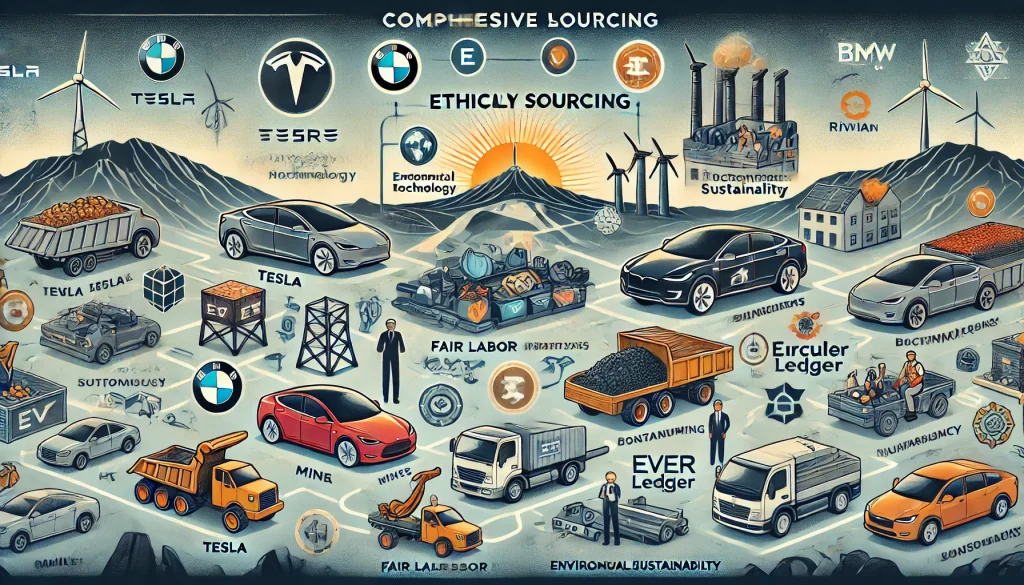
The ethical sourcing of materials such as lithium, cobalt, and rare earth elements, which are critical for the production of electric vehicles (EVs), poses significant challenges. Ensuring fair labor practices, avoiding environmental degradation, and maintaining supply chain transparency are imperative for the sustainability and reputation of the automotive industry. Addressing these concerns involves complex logistics, stringent monitoring, and collaboration with various stakeholders.
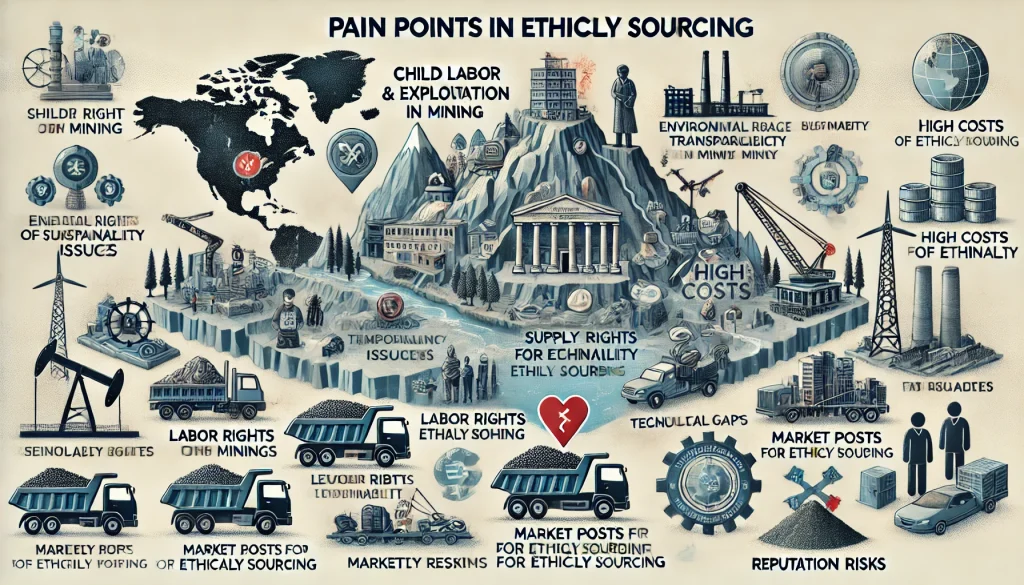
Pain Points
- Child Labor and Exploitation: High risks of child labor in cobalt mining regions.
- Environmental Damage: Mining operations often lead to significant ecological harm.
- Supply Chain Transparency: Difficulty in tracking the origin of materials.
- Labor Rights Violations: Poor working conditions and unfair wages.
- Regulatory Compliance: Navigating diverse and strict global regulations.
- Sustainability Challenges: Ensuring long-term availability of critical materials.
- High Costs: Ethical sourcing increases production costs.
- Technological Gaps: Lack of advanced tools for monitoring and compliance.
- Market Pressure: Consumer demand for ethically sourced products.
- Reputation Risk: Potential for damaging the brand if ethical standards are not met.
Future Vision
The future of ethical sourcing in the electric vehicle industry involves creating a fully transparent and traceable supply chain where all materials are sourced responsibly. Innovations in blockchain technology will allow for real-time tracking of materials from mine to manufacturer, ensuring compliance with ethical standards. Collaboration between industry leaders, governments, and NGOs will foster sustainable practices and improve working conditions in mining regions. Ultimately, this approach will enhance the industry’s sustainability and bolster consumer trust.
Use Cases
- Automated Supply Chain Audits: Using AI to monitor and verify ethical sourcing practices.
- Blockchain Transparency: Implementing blockchain for real-time tracking and verification.
- Fair Trade Certification: Partnering with NGOs to certify ethically sourced materials.
- Environmental Monitoring: Utilizing IoT devices to track environmental impact.
- Consumer Transparency: Providing consumers with detailed sourcing information.
- Sustainable Mining Technologies: Developing eco-friendly mining practices.
- Supplier Training Programs: Educating suppliers on ethical practices.
- Corporate Reporting: Regularly publishing detailed reports on sourcing practices.
- Policy Advocacy: Working with governments to develop supportive regulations.
- Community Development: Investing in local communities around mining areas.
Target Users and Stakeholders
Target Users:
- Automotive Manufacturers: Companies producing electric vehicles.
- Consumers: Environmentally and socially conscious buyers.
Stakeholders:
- Mining Companies: Entities extracting critical materials.
- Governments: Regulatory bodies overseeing mining operations.
- NGOs: Organizations advocating for fair labor and environmental practices.
- Technology Providers: Companies offering tracking and monitoring solutions.
Key Competition
- Tesla: Pioneering transparent and sustainable sourcing initiatives.
- BMW: Actively working on supply chain transparency and ethical sourcing.
- Volkswagen: Implementing blockchain technology for material tracking.
- Rivian: Partnering with NGOs for fair trade certification.
- General Motors: Investing in sustainable mining technologies.
Products/Services
- Supply Chain Transparency Solutions: Software and technologies for tracking materials.
- Fair Trade Certifications: Certifications ensuring ethical sourcing practices.
- Environmental Monitoring Tools: Devices and software for ecological impact tracking.
- Labor Rights Compliance Platforms: Systems ensuring fair labor practices.
Active Startups
- Circulor: Blockchain-based supply chain transparency.
- Everledger: Provenance tracking solutions.
- RCS Global: Ethical sourcing verification.
- Minexx: Technology for ethical mining.
- Kumi Analytics: Supply chain risk assessments.
- Verisk Maplecroft: Data analytics for labor rights.
- Transparency-One: End-to-end supply chain visibility.
- Fairphone: Sustainable and ethical electronics.
- SourceMap: Mapping and tracking supply chains.
- Peer Ledger: Blockchain for ethical sourcing.
Ongoing Work in Related Areas
- Blockchain Integration: Real-time tracking and transparency.
- AI Monitoring: Automated audits and compliance checks.
- Sustainable Mining Practices: Developing eco-friendly extraction methods.
- Supply Chain Collaboration: Industry-wide partnerships for ethical sourcing.
Recent Investment
- Circulor: Raised $14 million in 2023 from BHP Ventures.
- Everledger: Secured $20 million in funding in 2023 from Fidelity International.
- Minexx: Received $10 million in 2023 from Dutch Good Growth Fund.
Market Maturity
The market for ethical sourcing solutions is growing but still in the early stages of maturity. Significant investments and technological advancements are driving rapid development, yet widespread adoption and standardization are needed.
Summary
Ethical sourcing of materials for electric vehicles is critical to the automotive industry’s sustainability and reputation. Addressing challenges such as labor rights, environmental impact, and supply chain transparency requires innovative solutions, including blockchain technology, AI monitoring, and sustainable mining practices. Key players like Tesla, BMW, and Volkswagen are leading the way, while startups like Circulor and Everledger drive innovation. Despite progress, the market remains in its early stages, necessitating further investment and collaboration. The future vision involves a fully transparent supply chain, ensuring all materials are sourced responsibly, fostering industry sustainability and consumer trust.