Problem Statement
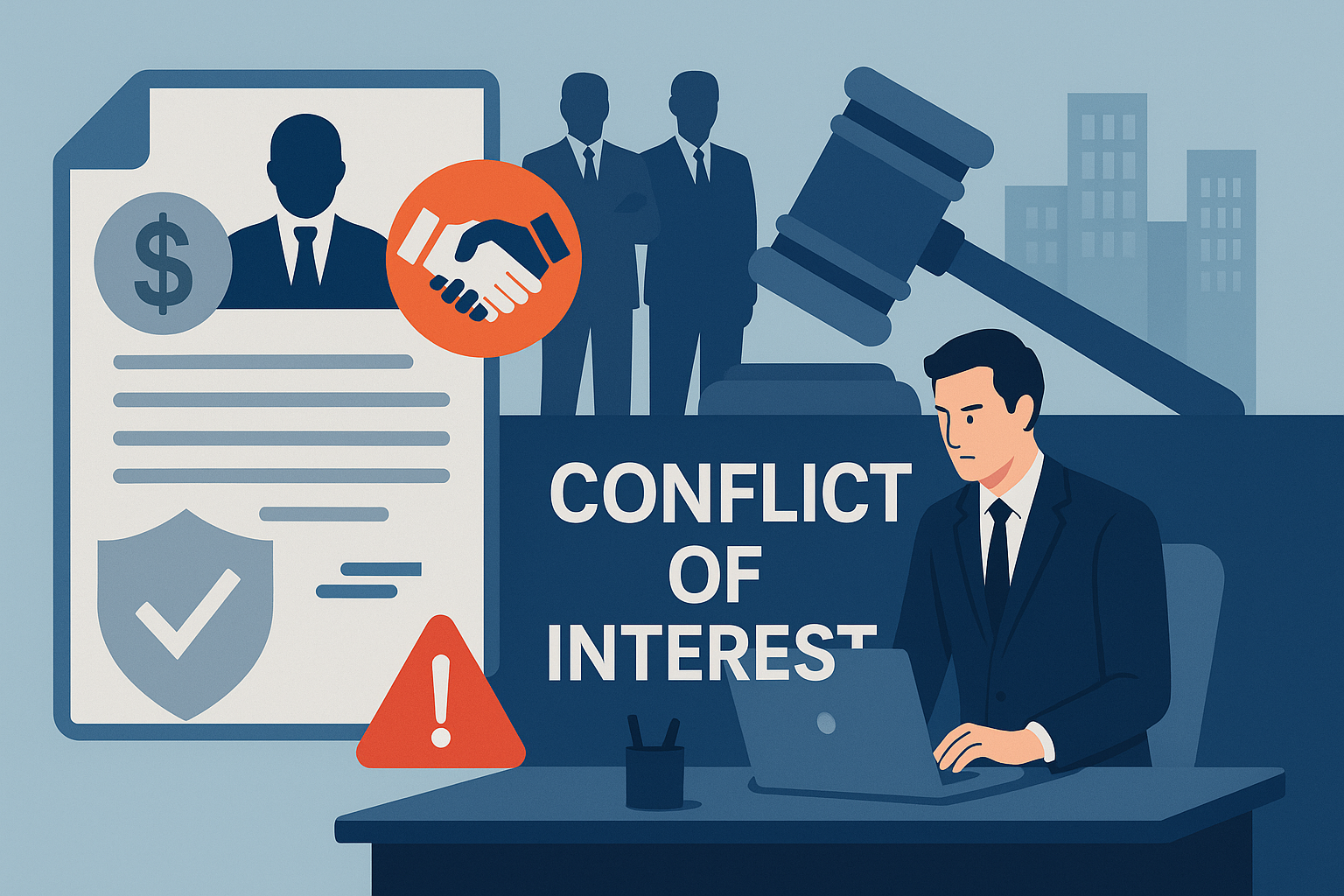
In today’s complex corporate landscape, CXOs and Board Members frequently navigate high-stakes decisions where personal, financial, or relational interests may compromise—or appear to compromise—their professional judgment. These conflicts of interest (COI), whether real or perceived, can significantly erode stakeholder trust, tarnish reputations, and even lead to regulatory penalties. Beyond legal compliance, the ethical dilemmas they create can paralyze decision-making, breed internal politics, and undermine organizational culture. Despite governance frameworks, many organizations struggle with real-time identification, transparent disclosure, and active resolution of such conflicts. Manual processes, inconsistent reporting, and lack of centralized oversight further exacerbate the issue. Moreover, ethical decision-making is not always binary, making it imperative to embed a system that provides contextual guidance, promotes accountability, and ensures transparency. Organizations need more than policy documents—they require intelligent platforms that help leaders self-assess risks, flag potential dilemmas, document decisions, and engage ethics committees efficiently. The growing emphasis on ESG and regulatory scrutiny makes it even more urgent for firms to demonstrate robust conflict-management systems. A proactive, technology-driven solution is required to institutionalize ethical behavior, enabling leaders to uphold integrity without sacrificing business agility.
Pain Points
- Lack of Real-Time Detection – Inability to identify conflicts as they arise in dynamic decision-making scenarios.
- Subjective Interpretation – Ethical dilemmas are often complex and lack black-and-white answers, leading to inconsistent decisions.
- Poor Disclosure Practices – Leaders often forget, misjudge, or deliberately avoid disclosing conflicts.
- No Central Repository – Scattered documentation of conflicts and resolutions leads to poor oversight and legal exposure.
- Fear of Retaliation – Whistleblowers or employees pointing out conflicts fear backlash or political consequences.
- Over-Reliance on Manual Reporting – Paper-based or static digital disclosures are hard to update and audit.
- Lack of Contextual Guidance – No intelligent system to provide ethics-based advice for nuanced decisions.
- Inconsistent Policy Enforcement – Ethical policies exist, but enforcement varies by department or leader.
- Regulatory Risk Exposure – Missing or mismanaged disclosures can lead to fines or legal actions.
- Erosion of Trust – Lack of visible ethical management damages credibility among investors and employees.
Research Competition
Key Competitors
- NAVEX Global: Offers a comprehensive COI management solution that helps organizations identify, prioritize, mitigate, and communicate disclosure-based risks. Their platform emphasizes collecting, tracking, and analyzing conflicts of interest .
- GAN Integrity: Provides a centralized COI management software with features like intuitive user experience, automated workflows, and integration capabilities. Their platform is designed to increase participation and streamline the disclosure process .
- CoreStream GRC: Focuses on flexible, integrated COI solutions that allow businesses to disclose potential conflicts openly, implement clear ethical guidelines, and conduct regular reviews .
- EQS Group: Offers the EQS Compliance COCKPIT, a digital solution for streamlining the full lifecycle of COI disclosure management, integrated into employee onboarding and annual campaigns .
- SAI360: Provides a cloud solution for automated COI disclosure reporting and monitoring, centralizing oversight and response with full audit trails and resolution tracking .
Market Maturity
The COI management market is moderately mature, with established players offering robust solutions. However, there is still room for innovation, particularly in integrating AI for real-time conflict detection and providing more intuitive user experiences.
Major Offerings
Top 10 key features provided by competitors in similar contexts:
- Centralized Disclosure Management: Unified platforms for managing all COI disclosures.
- Automated Workflows: Streamlined processes for submission, review, and approval.
- Policy Integration: Linking disclosures to relevant company policies.
- Audit Trails: Comprehensive tracking of all actions for compliance purposes.
- User-Friendly Interfaces: Intuitive designs to encourage user participation.
- Mobile Accessibility: Access to platforms via mobile devices for convenience.
- Integration Capabilities: Seamless integration with other enterprise systems.
- Real-Time Monitoring: Continuous oversight of potential conflicts.
- Customizable Forms: Tailored disclosure forms to fit organizational needs.
- Reporting and Analytics: Advanced tools for analyzing disclosure data.
Gaps Still Faced by Target Users
Despite existing solutions, many CXOs and board members still struggle with:
- Real-time, AI-assisted detection of potential ethical conflicts.
- Context-aware guidance to make ethically sound decisions.
- Centralized, actionable dashboards for compliance and ethics officers.
- Fully integrated platforms for disclosure, approval, and resolution tracking.
- Ensuring full transparency without sacrificing privacy or autonomy.
Product Vision
EthosGuard envisions a world where integrity is embedded in every leadership decision. Our product—EthosGuard One—is an intelligent, cloud-based platform specifically built for CXOs and board members to transparently manage conflicts of interest and navigate ethical dilemmas. This isn’t just another compliance tool—it’s an ethical compass for the modern executive.
EthosGuard One will empower leaders with a real-time, AI-driven system that identifies possible conflicts as decisions unfold—analyzing data from emails, meeting logs, financial disclosures, and CRM integrations. When a conflict or ethical gray area arises, the system will alert users, provide ethical analysis, and recommend next steps based on company policy, regulatory standards, and previous resolutions. The platform’s ethical guidance engine draws from global regulations, board best practices, and company-specific codes to provide tailored, actionable advice.
A secure disclosure portal will enable users to submit and track potential conflicts, while ethics officers and legal teams manage resolutions through a role-based workflow engine. With full audit trails, customizable dashboards, policy integration, and predictive analytics, EthosGuard One offers unprecedented oversight for compliance teams and transparency for stakeholders.
The platform is designed for adoption—not just function. With executive-friendly UX, seamless integration, and mobile access, it ensures ethical governance becomes an embedded, effortless part of leadership behavior.
Use Cases
- AI-Powered Conflict Detection from financial data and calendar entries.
- Secure Disclosure Submission and Ethics Workflow.
- Pre-Vote Ethical Risk Analysis for board decisions.
- Scenario-based Ethical Guidance for ambiguous dilemmas.
- Whistleblower Support and Retaliation Monitoring.
- Third-Party Conflict Screening in partnerships or vendors.
- Annual Conflict Disclosure Campaigns automation.
- Real-time Compliance Dashboard for General Counsel.
- Role-based Access and Redaction to preserve confidentiality.
- Regulatory Reporting Integration (e.g., SEC, ESG standards).
Use Case 1: AI-Powered Conflict Detection
- Short Info: Automatically detects potential conflicts using AI from internal data sources like emails, meetings, and financial systems.
- Reference: Vision, Pain Points #1, #2, Competition (GAN Integrity, NAVEX).
- Stakeholders: CXOs, Board Members, Compliance Officers, IT Integrations Team.
- Elaboration: In large organizations, many conflicts go undetected due to siloed data. This use case introduces an AI engine that continuously scans structured and unstructured data sources (email logs, calendar invites, financial disclosures) to surface potential ethical conflicts. It uses NLP and anomaly detection to flag unusual patterns—e.g., a CEO scheduling repeated meetings with a vendor they hold personal shares in. The engine flags these in real time, alerting the user and compliance officers with context-sensitive suggestions.
- Requirements:
- Data ingestion engine from email, calendar, and finance systems.
- NLP-based contextual analysis.
- Conflict scoring algorithm.
- Dashboard view for compliance team.
- Notification system.
- Audit log maintenance.
- Privacy protection protocols.
- Escalation logic.
- Policy rule engine.
- Integration with HRMS and CRM.
Use Case 2: Secure Disclosure Submission
- Short Info: Enables CXOs and Board Members to submit personal disclosures securely.
- Reference: Pain Points #3, #4; Competitors (NAVEX, EQS).
- Stakeholders: Board Members, Legal Counsel, Compliance Team.
- Elaboration: This module allows leadership to report outside interests—investments, directorships, family ties—using a user-friendly interface. The data is encrypted, logged with time stamps, and securely stored. Stakeholders can request clarifications or approvals. Automating and streamlining disclosures builds a culture of transparency and reduces risk from missed submissions.
- Requirements:
- User authentication.
- Role-based access control.
- Disclosure form builder.
- Secure data storage.
- Real-time submission tracking.
- Approval workflow.
- Reminder engine for deadlines.
- Upload support (documents).
- Historical records archive.
- Legal review module.
Use Case 3: Ethics Workflow Automation
- Short Info: Guides resolution of submitted conflicts through standardized workflows.
- Reference: Pain Points #6, #8; Competitors (SAI360, GAN).
- Stakeholders: Ethics Committee, Legal, Compliance.
- Elaboration: Once a COI is submitted, the system routes it through a customizable review and resolution workflow. Ethics officers assign reviewers, seek legal input, and finalize outcomes. Everything is time-stamped and tracked for transparency. This prevents bottlenecks and ensures fair, timely conflict management.
- Requirements:
- Custom workflow builder.
- Role assignments.
- Deadline setting.
- Approval/rejection actions.
- Integration with disclosure module.
- Auto-escalation protocols.
- Commenting threads.
- Audit trail logging.
- Status visualization.
- Archival system.
Use Case 4: Ethics-Based Scenario Guidance
- Short Info: Provides advice on navigating ambiguous ethical situations.
- Reference: Pain Point #2, Vision.
- Stakeholders: CXOs, Legal Counsel.
- Elaboration: CXOs frequently face ethical dilemmas where policy alone isn’t enough. This use case introduces a library of interactive scenarios with recommendations based on similar past cases, regulations, and organizational policies. It also includes options to consult ethics officers anonymously. This builds a knowledge base and promotes consistency in decision-making.
- Requirements:
- Scenario database.
- Contextual decision tree builder.
- Anonymous query system.
- Feedback loop for new cases.
- Content tagging and search.
- Learning model to improve suggestions.
- Integration with policy documents.
- Bookmarking and notes.
- UI for step-by-step guidance.
- Review approval by legal.
Use Case 5: Pre-Vote Ethical Risk Screening
- Short Info: Screens for conflicts prior to voting on strategic decisions.
- Reference: Vision, Pain Point #1, Competition.
- Stakeholders: Board Members, Corporate Secretary, Legal.
- Elaboration: Before board votes (e.g., on acquisitions, vendor selection), the platform performs a screening process that evaluates participants’ disclosed interests and flags any that may conflict with the agenda. If conflicts are found, the system recommends recusal or documentation. This ensures ethical and legal compliance for board governance.
- Requirements:
- Agenda parsing module.
- Conflict check engine.
- Voting eligibility checker.
- Recusal logging.
- Meeting calendar integration.
- Compliance notification.
- Legal review workflow.
- PDF export of checks.
- Integration with board software.
- Reporting dashboard.
Use Case 6: Whistleblower Ethics Channel
- Short Info: A confidential channel for employees to report COI or ethical violations.
- Reference: Pain Point #5, Vision.
- Stakeholders: Employees, Ethics Committee, HR, Legal.
- Elaboration: Employees can use a secure, anonymous whistleblower interface to report observed unethical behavior or undisclosed conflicts. Each report is routed through an ethics investigation process, ensuring transparency and protection. The system uses unique tokens for follow-up without exposing identity, building trust in the process and reducing fear of retaliation.
- Requirements:
- Anonymous submission portal.
- Case ID generator.
- Ethics workflow integration.
- Follow-up communication tool.
- Retaliation flagging module.
- Secure encryption.
- Status tracker for whistleblower.
- Language support.
- HR escalation tools.
- Reporting dashboard.
Use Case 7: Conflict Analytics & Trends Dashboard
- Short Info: Aggregates and visualizes conflict disclosures and patterns across the organization.
- Reference: Vision, Pain Points #4, #9.
- Stakeholders: Compliance Officer, Internal Audit, CEO.
- Elaboration: Over time, trends in conflict disclosures can reveal hotspots—like certain regions, departments, or vendors. This use case uses analytics to uncover patterns and support proactive governance. For example, repeated disclosures tied to a department head might prompt further inquiry or policy review.
- Requirements:
- Data aggregation layer.
- Visual dashboard builder.
- Heatmaps and filters.
- Risk scoring matrix.
- Export capabilities.
- Custom report generator.
- Real-time analytics.
- Compliance metric KPIs.
- Trend comparison by year/region.
- Integration with BI tools.
Use Case 8: Annual Compliance Campaign Manager
- Short Info: Automates yearly conflict disclosure collection across leadership.
- Reference: Pain Point #7, #3.
- Stakeholders: CXOs, Compliance Team.
- Elaboration: At the start of every fiscal year or quarter, the system launches a campaign prompting all designated users to update their COI disclosures. Pre-filled data from prior years simplifies the process. Compliance teams track completion status and issue reminders or escalations.
- Requirements:
- Campaign scheduler.
- Notification engine.
- Pre-filled forms.
- Bulk status dashboard.
- Escalation logic.
- Signature capture.
- Completion tracker.
- Template editor.
- Email/SMS reminders.
- Final PDF generation.
Use Case 9: Third-Party Conflict Evaluator
- Short Info: Screens vendors, consultants, and partners for potential COI risks.
- Reference: Pain Points #1, #10.
- Stakeholders: Procurement, Legal, CFO.
- Elaboration: During procurement or partnerships, the system checks external entities against disclosed relationships by leadership. If a CFO’s family member owns a supplier being considered, the system will detect and flag this, allowing proactive discussion or reassignment.
- Requirements:
- Vendor data ingestion.
- Entity matching engine.
- Conflict flagging logic.
- Alerts and logs.
- Procurement platform integration.
- Third-party risk scoring.
- Investigation trigger workflow.
- Risk category assignment.
- Feedback loop for false positives.
- Legal escalation module.
Use Case 10: Policy Enforcement and Remediation Tracking
- Short Info: Tracks enforcement of ethics policies and related disciplinary or corrective actions.
- Reference: Pain Point #8.
- Stakeholders: HR, Compliance, Legal.
- Elaboration: After conflict resolution, the platform logs any enforcement measures taken—such as recusals, reassignments, or policy updates. This ensures accountability and forms a defensible audit trail in the event of regulatory reviews or legal disputes.
- Requirements:
- Policy library.
- Violation-to-action mapping.
- Enforcement log.
- Corrective action workflows.
- HR integration.
- Notification module.
- Audit export tool.
- Risk rating updates.
- Employee acknowledgment tracking.
- Regulatory tag assignment.
Summary
Modern organizations face increasing scrutiny from regulators, investors, and the public regarding ethical conduct at the highest levels. For CXOs and board members, personal interests can inadvertently clash with organizational responsibilities, creating situations ripe for ethical dilemmas and potential conflicts of interest. Mismanagement of these issues risks reputational damage, regulatory fines, and a breakdown in internal trust.
EthosGuard Technologies addresses this pressing need through its flagship solution, EthosGuard One—an intelligent platform designed to detect, disclose, and manage conflicts of interest in real time. Drawing insights from a detailed analysis of pain points, user behavior, and competitor offerings, the product vision focuses on proactive governance, transparency, and user empowerment. AI-driven conflict detection, contextual ethical guidance, secure disclosure workflows, and trend-based analytics form the backbone of this solution.
Through detailed use cases—from pre-vote screening to ethics campaign automation and whistleblower protections—the system aligns tightly with enterprise governance needs. The competitive landscape analysis revealed gaps in user experience, AI capabilities, and ethics workflow integration—all of which EthosGuard One seeks to bridge. The platform anticipates $35M+ annual revenue within five years, serving mid-to-large enterprises globally.
This research sets a clear direction: ethics must become a systemized, seamless part of executive behavior. With the increasing demand for ESG compliance and transparent leadership, a digital ethics governance tool is not a luxury—it’s an imperative. EthosGuard One aims to redefine ethical leadership in the corporate world, fostering cultures of integrity from the top down.