Vision for PMT Bus Crowd Management System
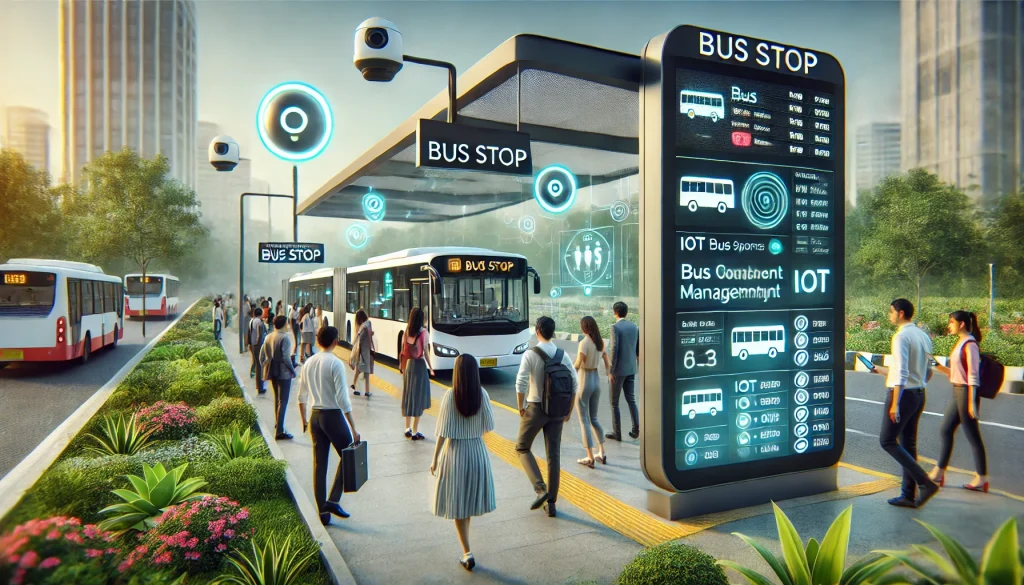
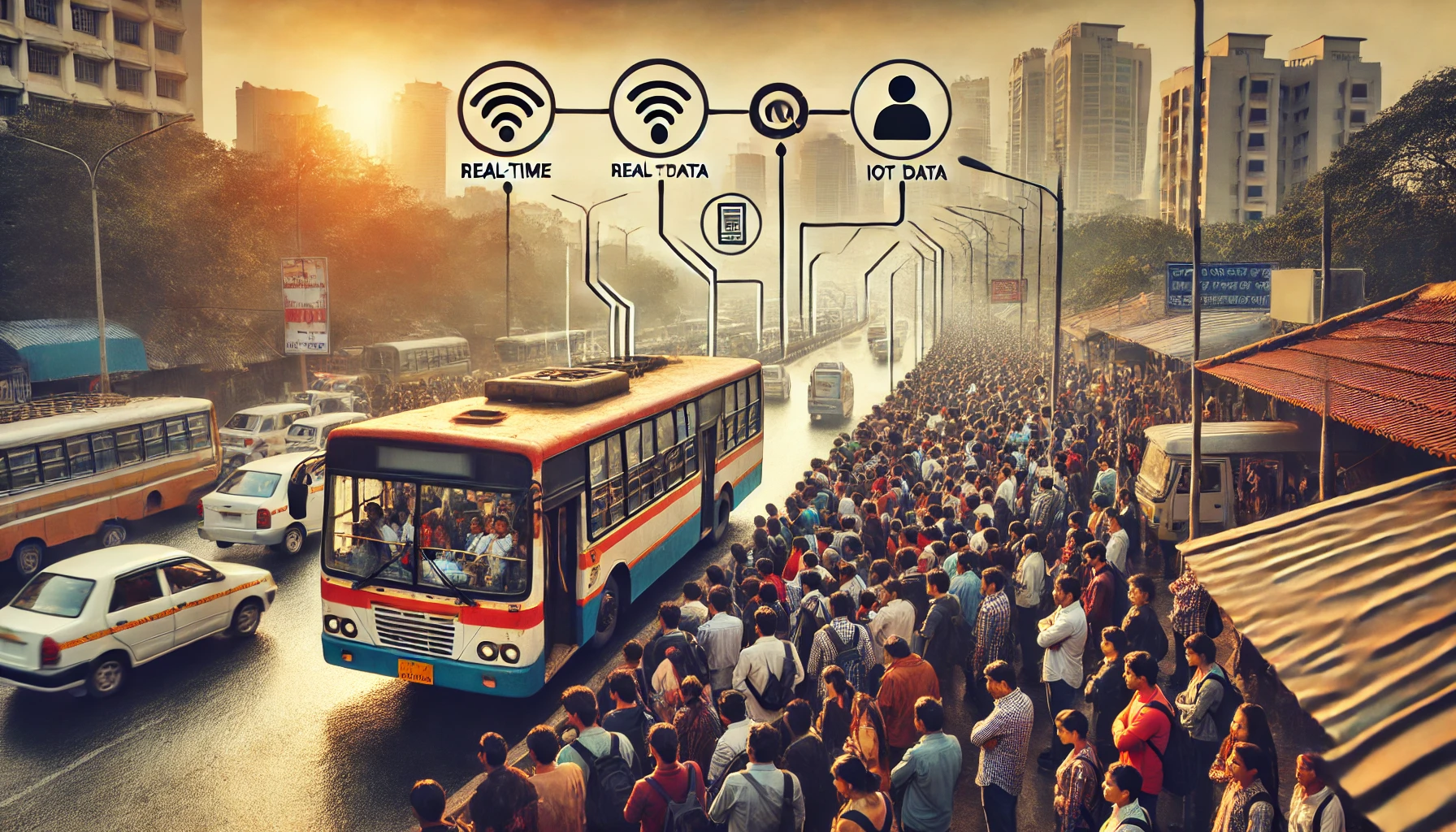
Pune’s public transportation system plays a critical role in the daily lives of its residents. However, with rapid urbanization and increasing population, PMT buses often face significant challenges related to overcrowding, delays, and passenger discomfort. To address these issues, we propose a Smart Bus Crowd Management System that leverages advanced technologies to optimize bus capacity, enhance passenger experience, and ensure a reliable and efficient public transportation system in Pune.
To revolutionize Pune’s public transportation by implementing an intelligent crowd management system that ensures optimal bus occupancy, reduces wait times, enhances safety, and provides a seamless commuting experience for all passengers.
As a normal traveler in Pune Metropolitan Transport Corporation (PMT) buses, managing the crowd effectively is a significant challenge. Overcrowding leads to discomfort, delays, and potential safety risks. There is a need for a solution that optimizes bus capacity, enhances passenger experience, and ensures timely and efficient public transportation.
What are the biggest pain points they experience when trying to achieve their goals?
- Overcrowding during peak hours
- Delays caused by inefficient boarding and alighting
- Lack of real-time information on bus schedules and occupancy
- Safety concerns due to overcrowding
- Discomfort for elderly and differently-abled passengers
- Inconsistent bus frequencies
- Long waiting times at bus stops
- Poor passenger distribution across buses
- Insufficient seating capacity
- Ineffective communication channels for passenger feedback
Company Providing Bus Crowd Management Solutions
Hitachi India Pvt. Ltd. is one of the prominent companies providing advanced solutions for public transportation management, including bus crowd management. They have developed an intelligent transportation system that leverages IoT analytics, real-time data aggregation, and predictive analytics to optimize bus operations. Their solution includes features like in-bus crowd estimation, route optimization, and dynamic scheduling based on real-time data. This helps reduce overcrowding, improve passenger comfort, and enhance the overall efficiency of the bus system (Social Innovation).
Ipsotek Ltd. is another key player offering crowd management solutions. They specialize in real-time situational awareness, crowd counting, and over-crowding detection through advanced video analytics and heat-mapping technologies. Their solutions are highly customizable and provide detailed performance statistics for better management and analysis (IPSOTEK).
Contemporary Services Corporation (CSC) India also provides crowd management services, particularly for large events, public spaces, and transportation hubs. They use advanced security and monitoring systems to manage crowds effectively, ensuring safety and efficiency (CSC India).
These companies leverage cutting-edge technologies to address the challenges of overcrowding and optimize public transport systems, making them suitable partners for implementing a smart bus crowd management solution in Pune.
Conclusion:
The Smart Bus Crowd Management System for PMT aims to transform Pune’s public transportation landscape by addressing the challenges of overcrowding, delays, and safety. Through real-time monitoring, predictive analytics, dynamic scheduling, and enhanced passenger experience, this system will ensure that PMT buses provide a reliable, efficient, and comfortable service to all commuters. By leveraging advanced technologies and continuous improvement practices, we can create a public transportation system that meets the needs of Pune’s growing population and supports sustainable urban development.