Problem Statement
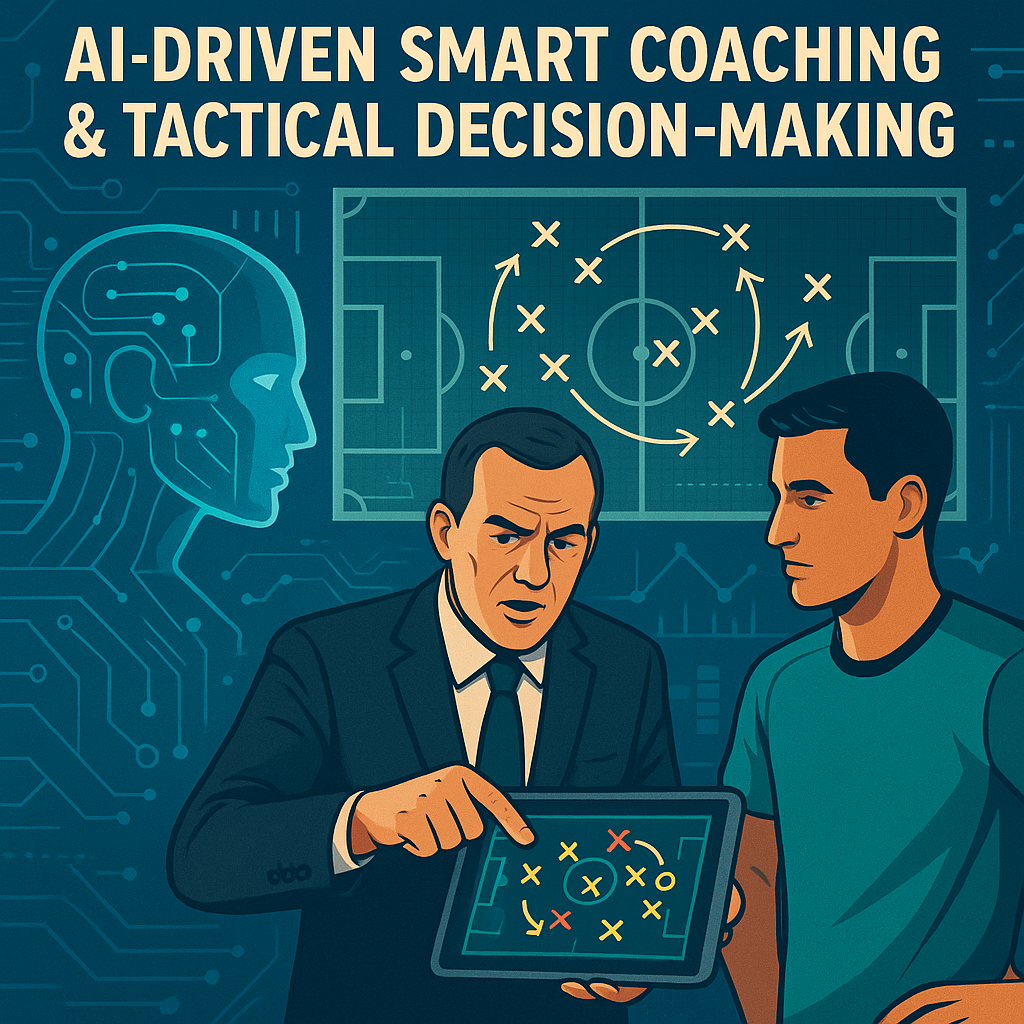
Traditional coaching and tactical decision-making in sports rely heavily on human intuition, experience, and historical data. However, the complexity of modern sports demands real-time data-driven insights for optimized performance. AI-driven smart coaching can bridge the gap between human expertise and data-driven decision-making, offering precise game strategies, injury prevention insights, and predictive analytics to enhance team performance
Challenges within the Problem Statement
- Delayed Decision-Making: Coaches often analyze performance post-game rather than receiving real-time insights.
- Limited Data Utilization: Teams collect large amounts of data but lack AI-driven insights for tactical execution.
- Lack of Personalization: Training programs are often generalized instead of tailored to individual players.
- Inefficient Opponent Scouting: Traditional scouting relies on manual video analysis, which is time-consuming and inconsistent.
- Lack of Integration with Wearables: AI analytics are underutilized in merging data from smart wearables with in-game decisions.
Pain Points
- Limited Real-Time Insights: Coaches rely on post-game analysis instead of real-time tactical adjustments.
- Human Bias in Decision-Making: Subjective choices may overlook optimal plays or player selection.
- Injury Risks Due to Overtraining: Lack of predictive data leads to player fatigue and injury.
- Lack of Opponent Behavior Prediction: Traditional scouting methods are time-consuming and inefficient.
- Slow Adoption in Grassroots Sports: High costs and limited access to AI-driven tools hinder small clubs and amateur teams.
- Inconsistent Training Approaches: Variations in training methodologies lead to inconsistent performance improvements.
- Data Privacy & Ethical Concerns: AI-driven analytics require vast amounts of player data, raising concerns about security and privacy.
Future Vision
AI-driven coaching will integrate real-time performance analytics, predictive modeling, and automated strategy recommendations. Future AI models will process vast amounts of in-game data, providing instant recommendations on formations, substitutions, and opponent weaknesses. With AI-assisted decision-making, teams will enhance their competitive edge while minimizing errors and injuries.
Key AI Innovations for the Future:
- AI-Powered Virtual Coaching Assistants: Providing real-time suggestions to coaches during matches.
- Automated Game Strategy Simulations: AI models generating multiple strategy outcomes based on past data.
- AI-Powered Opponent Tracking: Predicting team strategies based on live play patterns.
- Predictive Fatigue & Injury Detection: AI calculating exertion levels and recommending personalized rest schedules.
- Voice-Activated AI Analysis Tools: Coaches can receive real-time data feedback using voice commands.
Use Cases
- Real-Time Tactical Adjustments: AI analyzes live gameplay and suggests optimal strategies.
- Injury Prevention & Load Management: AI predicts fatigue levels and recommends substitutions.
- Performance Analysis: AI evaluates player movements, passing accuracy, and stamina.
- Opponent Behavior Prediction: AI models analyze historical data to anticipate strategies.
- Automated Training Programs: AI creates personalized drills based on player weaknesses.
- Referee Decision Assistance: AI provides real-time rule enforcement and challenge reviews.
- AI-Powered Sports Commentary: AI generating real-time analysis for broadcasters and fans.
- AI-Enhanced Scouting Reports: Providing detailed reports on player potential and areas for improvement.
Target Users and Stakeholders
- Professional Sports Teams: AI-driven coaching for game strategy and performance tracking.
- Amateur & Grassroots Teams: Affordable AI coaching solutions for skill development.
- Sports Organizations & Governing Bodies: AI-enhanced officiating and rule enforcement.
- Fitness & Training Centers: AI-driven personalized workout plans.
- Esports Teams: AI-driven game analysis and predictive strategies.
- Sports Data Analysts: Leveraging AI for in-depth game breakdowns.
- Athlete Performance Scientists: Using AI to fine-tune physical training programs.
Key Competition
- IBM Watson Sports Analytics: AI-driven insights for performance and strategy.
- Stats Perform: Real-time AI analytics for sports teams.
- Catapult Sports: Wearable AI technology for tracking athlete performance.
- Second Spectrum: AI-powered game tracking and coaching insights.
- Hawk-Eye Innovations: AI-powered referee decision-making and VAR technology.
- Hudl: AI-enhanced video breakdown tools for coaches.
- Sportradar: AI-driven betting and sports analytics solutions.
Products/Services
- AI Coaching Platforms: Software that provides real-time strategy recommendations.
- Wearable AI Tech: Smart gear that tracks biometrics and movement patterns.
- AI Video Analytics: AI-powered breakdowns of game footage for performance analysis.
- Tactical Simulation Software: AI-driven tools for training and play simulations.
- Predictive Injury Prevention Systems: AI models that analyze workload and injury risk.
- AI-Powered Decision Support Tools: Providing recommendations for player substitution and formation changes.
- AI-Integrated Fan Engagement Tools: AI-generated game insights for audiences.
Active Startups
- Zone7: AI-based injury prevention and performance analytics.
- Playermaker: AI-driven motion tracking for football training.
- Track160: AI-based player performance and tactical analysis.
- SkillCorner: AI-driven scouting and opposition analysis platform.
- Sentio Sports Analytics: AI-based real-time strategy recommendations for coaches.
- ReSpo.Vision: AI-driven 3D sports performance analysis.
- Tracab: AI-powered tracking and analytics for team sports.
Ongoing Work in Related Areas
- AI-Refereeing Innovations: VAR and AI-assisted decision-making systems.
- Augmented Reality Coaching: AI-driven AR simulations for tactical training.
- AI-Powered Esports Training: AI analyzing player behaviors in digital sports.
- Biomechanics & Performance Tracking: AI integrating motion capture for injury prevention.
- AI-Powered Virtual Coaches: AI models acting as digital coaches for players.
- Automated Content Generation for Sports Media: AI producing highlight reels and game analysis.
Recent Investments
- Second Spectrum was acquired by Genius Sports for $200M to enhance AI-driven game tracking.
- Zone7 secured $8M in funding for AI-powered injury prevention models.
- Playermaker raised $40M to expand AI motion-tracking technology.
- Stats Perform partnered with major leagues to provide AI-based predictive analytics.
- SkillCorner secured funding to enhance AI-driven scouting solutions.
- Tracab received investment to improve AI-powered real-time tracking capabilities.
Market Maturity
The AI-driven sports coaching sector is experiencing rapid growth but is not yet fully mature. While professional teams and elite athletes are quickly adopting AI technologies, grassroots and amateur sports organizations face challenges due to cost constraints, technical know-how, and resistance to AI-driven decision-making.
Key indicators of market maturity:
- High adoption in elite leagues like the NBA, NFL, and Premier League.
- Expanding investment in AI-driven analytics and performance optimization.
- Slow penetration at the amateur level due to budget constraints.
- Regulatory challenges surrounding AI in officiating and game decisions.
- Growing acceptance of AI insights in coaching strategies.
Summary
AI-driven smart coaching is transforming sports by providing real-time strategy recommendations, optimizing player performance, and reducing injury risks. While elite sports teams are leading adoption, the broader market still faces challenges such as affordability, accessibility, and trust in AI recommendations. However, with continued innovation and investment, AI-powered coaching is set to become a fundamental pillar in modern sports strategy and athlete development. The future of sports will be increasingly data-driven, AI-enhanced, and strategically optimized for peak performance.