
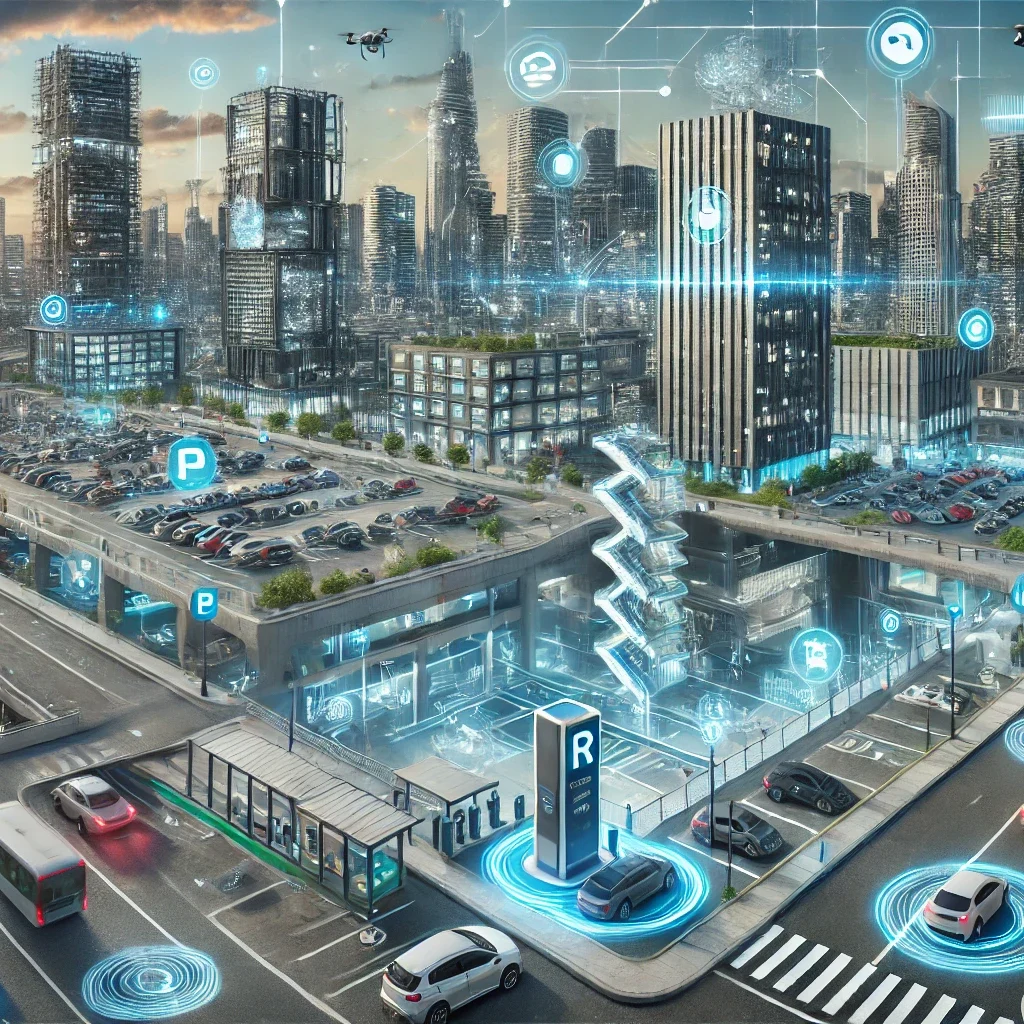
As urban populations continue to grow, cities face an escalating challenge in managing parking spaces. Traditional parking lots and street parking are no longer sufficient to accommodate the surge in vehicles. The rapid expansion of high-rise buildings, commercial centers, and business districts has further reduced available parking space, leading to increased congestion, wasted fuel, and inefficiencies in urban mobility.
Without innovative solutions such as vertical parking structures, underground garages, or automated parking systems, cities will struggle to keep up with demand. This problem extends beyond dense metropolitan areas; suburban regions are also feeling the pressure as more commuters drive into the city for work, adding stress to already limited parking facilities.
The lack of adequate parking results in several issues, including longer search times for parking spots, increased traffic congestion, higher emissions, and frustration among drivers. Additionally, businesses may experience decreased foot traffic due to inconvenient parking conditions, impacting local economies.
As cities evolve, there is an urgent need for sustainable, space-efficient, and technology-driven parking solutions to optimize urban land use while ensuring convenience for residents, workers, and visitors.
Target Users & Stakeholders
To build a solution, we first need to understand who is affected by the parking crisis:
- Urban Commuters – Daily office-goers, business travelers, and professionals who struggle to find parking near their workplaces.
- Residents in High-Density Areas – Apartment and condominium dwellers who have limited or no parking options.
- Retail & Commercial Businesses – Store owners and mall operators who lose customers due to parking unavailability.
- City Transportation Authorities – Government bodies responsible for managing urban mobility and reducing congestion.
- Real Estate Developers – Builders who face space constraints when planning new residential or commercial projects.
- Logistics & Delivery Services – Delivery vans and couriers who need quick access to loading and unloading zones.
- Event Venues & Stadiums – Large public gathering spaces that face temporary but severe parking shortages.
- Suburban Commuters – Individuals traveling into cities from suburbs, requiring parking near transit hubs.
- Tech & Smart City Innovators – Companies looking to deploy AI-driven, automated, and space-efficient parking solutions.
- Environmental Groups & Urban Planners – Advocates for sustainable city design and reduced vehicular emissions.
Pain Points & Descriptions
- Time Wasted Searching for Parking – Drivers spend 10-20 minutes on average looking for a parking space, leading to frustration and delays.
- Traffic Congestion Due to Parking Shortages – Vehicles circling for parking create unnecessary road congestion and slow down urban mobility.
- High Parking Costs – Limited spaces allow owners to charge exorbitant fees, making parking unaffordable in prime locations.
- Inefficient Use of Available Space – Many existing parking lots are not optimized for capacity, leaving dead space that could be better utilized.
- Security & Vandalism Issues – Cars parked in open lots are vulnerable to theft, vandalism, and accidental damage.
- Environmental Impact of Idling Cars – The extra fuel consumption from drivers searching for parking contributes to pollution and carbon emissions.
- Lack of Smart Technology Integration – Most parking systems still rely on outdated manual processes rather than automated or IoT-driven solutions.
- Suburban Commuter Parking Challenges – Suburban commuters struggle to find parking near public transit stations, leading to inefficiencies in multimodal transport.
- Limited Space in New Developments – Real estate developers must compromise on parking spaces due to land scarcity and high costs.
- Inconvenience for Delivery & Logistics Services – Delivery drivers often have no designated parking, leading to delays and double-parking violations.
Target User Definition Sample
- User: Urban Commuters
- Age Group: 25-50 years
- Gender: M/F
- Usage Pattern: Multiple times a week; they need parking near offices, transit hubs, or shopping areas.
- Benefit: A smart parking solution would reduce the time spent searching for parking, lower costs, and enhance convenience.
Key Competitors & Their Offerings
Several companies and startups are working on innovative parking solutions to tackle urban congestion. Here are some of the most notable ones:
- ParkWhiz – A digital platform that allows users to find and book parking in advance through a mobile app.
- SpotHero – Provides on-demand parking reservations and dynamic pricing models to optimize space usage.
- JustPark – A UK-based platform connecting drivers with private parking spaces, including residential driveways.
- Smart Parking Ltd – Specializes in IoT-based parking management systems, including sensors and automated guidance.
- Indigo Group – A global leader in off-street parking solutions, offering automated garages and underground parking systems.
Startups Innovating in Parking Solutions
- FlashParking – A smart parking technology company integrating cloud-based payment and access systems.
- Parkonect – Focuses on hardware/software solutions for frictionless parking entry and exit.
- Get My Parking – A digital parking management platform providing end-to-end smart parking solutions.
- Parkopedia – Uses AI and crowdsourced data to provide real-time parking availability information.
- UbiPark – Offers mobile-based parking access and payment solutions.
- Automotus – Uses computer vision to automate curb management and smart enforcement for cities.
- Smarking – Specializes in parking analytics and dynamic pricing for parking operators.
- Metropolis – Uses AI and computer vision for seamless, ticketless parking experiences.
- EVmatch – Focuses on electric vehicle (EV) parking solutions and charging station reservations.
- ParKam – Uses AI-driven cameras to detect and guide users to vacant parking spots.
Recent Investments & Market Maturity
The smart parking industry has attracted significant investments due to the growing demand for efficient urban mobility. Some key investment trends include:
- FlashParking raised $60M in 2023 to expand its cloud-based parking platform.
- Metropolis secured $1.7B in funding (2023) to scale its AI-driven parking solutions.
- Smarking received $15M in 2022 to enhance its data analytics for parking optimization.
- Parkopedia partnered with automakers in 2023 to integrate real-time parking into vehicle navigation.
Features Provided by Competitors
- Mobile Parking Reservations – Users can pre-book spaces through apps.
- Dynamic Pricing – Rates adjust based on demand and time of day.
- Real-Time Availability Detection – Sensors or AI cameras provide live parking updates.
- Automated Entry & Exit – License plate recognition eliminates the need for tickets.
- IoT-Integrated Parking Management – Smart sensors and cloud-based platforms optimize usage.
- AI-Driven Guidance Systems – Directs drivers to available spots via mobile or in-car navigation.
- EV Charging Integration – Many platforms offer electric vehicle charging station reservations.
- Automated Garages – Vertical and robotic parking solutions to maximize space.
- Data Analytics for Parking Operators – Helps operators optimize pricing and capacity.
- Smart Enforcement – AI-based monitoring for illegal parking and violations.
Gaps in Current Market Offerings
Despite these advancements, key gaps remain in the market:
- Lack of Scalable Automated Parking Systems – Most solutions focus on booking rather than physical parking space optimization.
- Limited Integration with Smart Cities – Few platforms are fully integrated with city-wide traffic management systems.
- High Initial Investment for Infrastructure – Automated garages and underground solutions are costly to deploy.
- Inadequate Solutions for Suburban Transit Parking – Many innovations focus on urban areas, neglecting commuter parking.
- Environmental Impact Not Fully Addressed – There’s a lack of emphasis on sustainability (e.g., solar-powered parking facilities).
Product Vision
Our product will be an AI-driven, space-optimized smart parking solution that integrates automated vertical parking, real-time space detection, and IoT-based management to alleviate urban congestion. Unlike existing solutions that primarily focus on digital reservations, our approach will physically optimize parking space using automated, robotic, and multi-level parking systems.
Key Differentiators
- Vertical & Automated Parking: Instead of flat, space-consuming lots, our system will stack cars using automated lifts, reducing land use by up to 60%.
- Real-Time Smart Parking Guidance: AI-powered cameras and IoT sensors will guide drivers to available spaces, reducing parking search time by 80%.
- Seamless Integration with Smart Cities: Connected with municipal traffic systems to dynamically manage urban parking.
- Subscription & On-Demand Pricing: Adaptive pricing models, including monthly subscriptions, pay-per-use, and premium reserved spots.
- EV Charging & Sustainability: Integrated EV charging stations, solar-powered infrastructure, and low-energy automated lifts to reduce carbon footprint.
Use Cases
- Office Complex Parking: Employees book and access vertical parking towers via RFID or app.
- Residential Smart Parking: Apartment buildings integrate automated parking systems to maximize space.
- Shopping Mall Parking Optimization: AI-based space management reduces congestion during peak hours.
- EV Charging Hub: Dedicated parking towers for electric vehicles with real-time charging slot availability.
- Airport & Transit Hub Parking: Long-term and short-term automated parking for travelers.
- Hotel & Hospitality Solutions: Automated valet parking system for hotels, improving guest experience.
- Smart City Parking Zones: AI monitors and dynamically assigns parking spaces in government-designated areas.
- Event & Stadium Parking: Pre-booked and dynamically managed parking zones for large gatherings.
- Delivery & Logistics Hubs: Specialized parking for delivery trucks and couriers in urban centers.
- Subscription-Based Parking for Commuters: Reserved monthly slots for daily commuters at transit stations.
By :- Suyash Sable-MscCa-Modern College