Problem Statement:
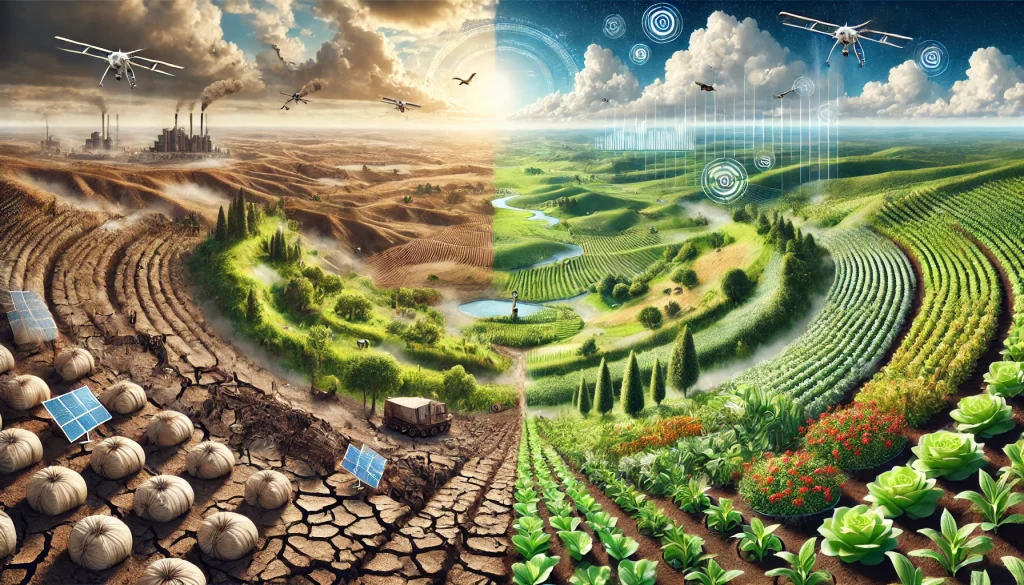
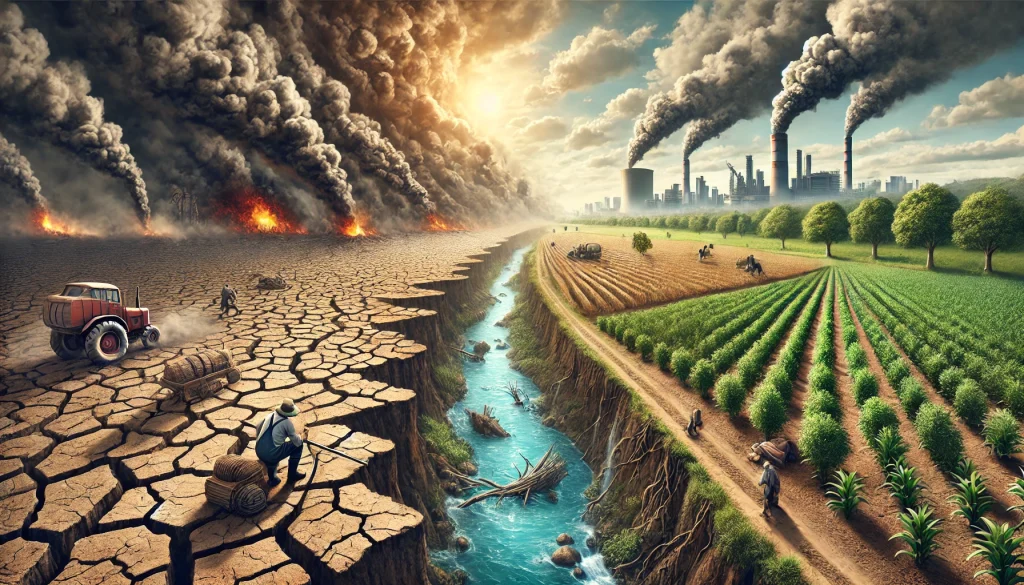
Soil degradation has emerged as one of the most pressing challenges facing global agriculture. Every year, approximately 24 billion tons of fertile soil are lost due to erosion, deforestation, and unsustainable farming practices. This alarming rate of soil loss is not just an environmental issue—it is a dire threat to food security and the livelihoods of millions of farmers worldwide. Fertile soil is the foundation of agriculture, providing the essential nutrients that crops need to grow. However, decades of intensive farming, monoculture, overgrazing, and deforestation have depleted soil fertility, leading to a decline in crop yields. Erosion strips away the nutrient-rich topsoil, while deforestation and improper land management practices exacerbate this loss by removing natural barriers that protect soil from wind and water erosion. As the soil becomes increasingly infertile, farmers struggle to produce sufficient food, trapping them in a vicious cycle of poverty and hunger. Moreover, degraded soils are less able to retain water, making them more vulnerable to drought and further reducing agricultural productivity. If this trend continues, the world could face a significant reduction in arable land, jeopardizing our ability to feed a growing population. Addressing soil degradation is critical not only for protecting the environment but also for ensuring long-term food security and the economic well-being of rural communities.
Pain Points:
- Erosion: Wind and water erosion strip away nutrient-rich topsoil, reducing soil fertility and crop yields.
- Deforestation: The removal of forests for agriculture accelerates soil degradation and loss.
- Unsustainable Farming Practices: Intensive farming, monoculture, and overgrazing contribute to soil depletion.
- Loss of Soil Organic Matter: The decline in organic matter leads to poor soil structure and reduced nutrient availability.
- Water Retention Issues: Degraded soils lose their ability to retain water, increasing vulnerability to drought.
- Decline in Crop Yields: Soil degradation leads to lower productivity, impacting food security and farmer incomes.
- Desertification: Overuse of land in arid regions can lead to desertification, rendering the land unusable for farming.
- Soil Pollution: The excessive use of chemical fertilizers and pesticides contaminates the soil, harming its health.
- Increased Greenhouse Gas Emissions: Degraded soils release more carbon into the atmosphere, contributing to climate change.
- Economic Impact on Farmers: As soil fertility declines, farmers face higher costs and lower returns, leading to economic hardship.
Future Vision:
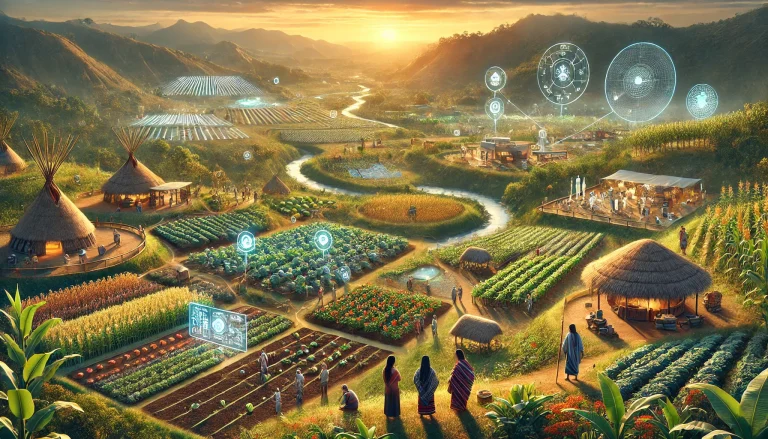
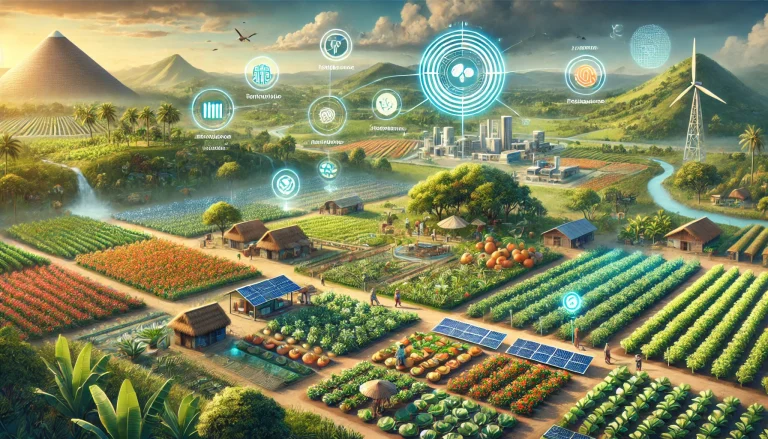
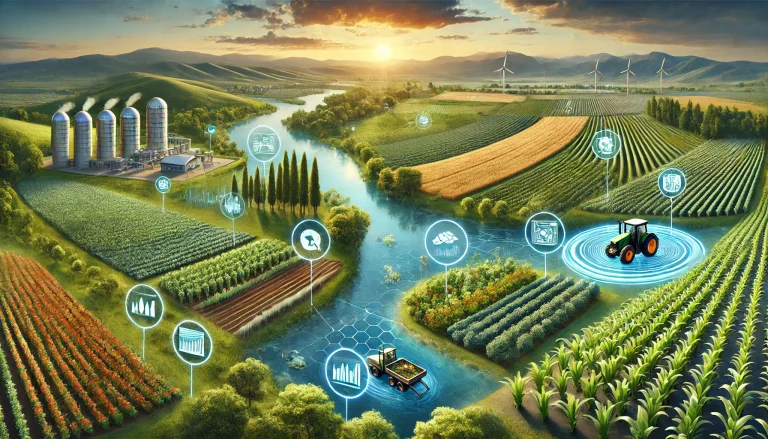
The future of agriculture hinges on our ability to restore and maintain healthy soils. A shift towards sustainable land management practices is essential to reversing the damage caused by decades of soil degradation. In this vision, farmers around the world adopt regenerative agricultural techniques that not only protect but actively restore soil health. These practices include cover cropping, crop rotation, reduced tillage, and the use of organic amendments such as compost and manure. By enhancing soil organic matter, these methods improve soil structure, increase nutrient availability, and boost water retention, making soils more resilient to erosion and drought. Agroforestry and reforestation initiatives play a crucial role in protecting soil from erosion while also enhancing biodiversity. Precision agriculture technologies help farmers optimize inputs and manage their land more efficiently, reducing the need for chemical fertilizers and pesticides. Furthermore, policies and incentives are put in place to support farmers in their transition to sustainable practices, including financial assistance, education, and access to markets for sustainably produced goods. The ultimate goal is to create a farming system that is not only productive but also regenerative, ensuring that soils remain fertile and capable of supporting future generations. This vision of sustainable soil management is key to securing food supplies, protecting the environment, and improving the livelihoods of farmers around the world.
Use Cases:
- Cover Cropping: Farmers plant cover crops to protect soil from erosion, improve soil structure, and enhance organic matter.
- Agroforestry: Integrating trees into agricultural landscapes to stabilize soils, improve water retention, and increase biodiversity.
- Reduced Tillage: Minimizing soil disturbance to maintain soil structure and reduce erosion.
- Composting and Organic Amendments: Applying compost and manure to boost soil organic matter and nutrient content.
- Precision Agriculture: Using technology to optimize the application of water, fertilizers, and pesticides, reducing environmental impact.
- Crop Rotation: Alternating crops to improve soil health, reduce pest pressure, and enhance nutrient cycling.
- Reforestation Projects: Planting trees in degraded areas to prevent erosion and restore soil fertility.
- Soil Health Monitoring: Implementing tools to regularly assess soil quality and guide sustainable management practices.
- Regenerative Grazing: Rotational grazing techniques that enhance soil fertility and reduce erosion on pastures.
- Sustainable Irrigation: Efficient water management practices that prevent soil degradation and conserve water resources.
Target Users and Stakeholders:
Target Users:
- Farmers (small to large scale) seeking to improve soil health and productivity.
- Agricultural cooperatives and organizations promoting sustainable farming practices.
- Agribusinesses focused on long-term sustainability and environmental stewardship.
Stakeholders:
- Government agencies regulating agriculture and environmental protection.
- NGOs working on soil conservation, sustainable agriculture, and food security.
- Environmental organizations focused on land restoration and climate change mitigation.
- Technology companies developing tools for sustainable agriculture and soil health.
- Consumers interested in sustainably produced food products.
Key Competition:
- Indigo Ag: Provides microbial and seed treatment technologies aimed at improving soil health and reducing chemical inputs.
- Regenerative Agriculture Alliance: Promotes regenerative farming practices that restore soil fertility and sequester carbon.
- Heliae Agriculture: Focuses on regenerative agriculture with products that enhance soil health and crop productivity.
- Farmers Business Network (FBN): Offers data-driven insights and resources to help farmers adopt sustainable practices.
- Terra Genesis International: Specializes in designing regenerative agriculture systems that improve soil and ecosystem health.
Products/Services:
- Soil Health Enhancement Products: Organic fertilizers, biostimulants, and microbial inoculants designed to improve soil fertility.
- Sustainable Farm Management Software: Tools to monitor and optimize sustainable soil management practices.
- Precision Agriculture Tools: Technologies for efficient nutrient management, reducing soil degradation.
- Soil Restoration Services: Consulting and implementation services focused on land restoration and soil health improvement.
- Composting and Organic Matter Solutions: Products and services that support the application of organic amendments to soils.
Active Startups:
- Soil Carbon Co.: A startup focused on enhancing soil carbon sequestration to improve soil health and combat climate change.
- Biome Makers: Uses microbiome analysis to offer insights into soil health and help farmers manage their soil more sustainably.
- Rizobacter: Develops biological products that improve soil health, boost crop yields, and reduce reliance on chemical inputs.
- Nutrien Ag Solutions: Offers a range of products and services focused on sustainable soil management and nutrient optimization.
- Regrow: Provides software solutions for tracking and improving soil health and sustainability in farming operations.
Ongoing Work in Related Areas:
- Research on biochar as a soil amendment to improve fertility and sequester carbon.
- Development of microbial inoculants that enhance soil health and plant growth.
- Agroecology studies focused on integrating ecological principles into farming to maintain soil fertility.
- Reforestation and afforestation projects aimed at restoring degraded lands and preventing soil erosion.
- Sustainable land management initiatives in arid and semi-arid regions to combat desertification and restore soil health.
Recent Investment:
- $150 million investment in Indigo Ag in 2023 to scale their soil health and carbon sequestration technologies.
- $75 million raised by Biome Makers in 2022 to expand their soil microbiome analysis services globally.
- $50 million in funding for Rizobacter in 2023 to develop and distribute biological products for soil health improvement.
- $100 million in venture capital for Nutrien Ag Solutions in 2024 to enhance their portfolio of sustainable soil management products.
- $35 million invested in Regrow in 2023 to support their software solutions for soil health monitoring and improvement.
Market Maturity:
The market for soil health and restoration is rapidly maturing as the agricultural industry recognizes the critical importance of maintaining fertile soils for long-term productivity. The increasing frequency of extreme weather events and the ongoing impacts of climate change have heightened awareness of the need for sustainable soil management practices. Governments, NGOs, and private investors are increasingly supporting initiatives aimed at restoring degraded lands and improving soil health. The market is seeing significant investment in innovative technologies and products designed to enhance soil fertility, increase carbon sequestration, and reduce the environmental impact of farming. While there is growing adoption of sustainable practices in developed regions, challenges remain in scaling these solutions to reach smallholder farmers in developing countries. The next phase of market maturity will focus on making these technologies more accessible and affordable, ensuring that farmers worldwide can adopt practices that protect and restore their soils. As the market continues to develop, it will play a crucial role in securing global food supplies, mitigating climate change, and sustaining the agricultural sector for future generations.
Summary:
Soil degradation poses a significant threat to global agriculture, with billions of tons of fertile soil lost each year due to erosion, deforestation, and unsustainable farming practices. This loss of arable land threatens food security, reduces agricultural productivity, and exacerbates poverty and hunger among farming communities. Addressing soil degradation requires a fundamental shift towards sustainable land management practices, including regenerative agriculture, agroforestry, and precision farming. By restoring soil health, we can improve crop yields, enhance water retention, and reduce the environmental impact of farming. The market for soil restoration and management is rapidly maturing, supported by significant investment and ongoing research. As more farmers adopt sustainable practices, we can build a more resilient agricultural system that protects the environment and ensures food security for future generations. The future of farming depends on healthy soils, and the time to act is now.