Problem Statement
Sports teams, stadium operators, and event organizers are facing increasing challenges in engaging fans both inside the stadium and remotely. Traditional fan engagement methods, such as in-game announcements, basic mobile apps, and manual ticketing, are becoming outdated. Fans now expect a seamless, interactive, and immersive experience that blends digital and physical elements, from the moment they purchase a ticket to their post-game interactions.
At the same time, stadiums struggle with operational inefficiencies—long lines at entry gates, inefficient concessions, poor crowd management, and lack of real-time data insights. With the rise of smart technology (IoT, AI, AR/VR, and blockchain), stadiums have an opportunity to enhance engagement, improve efficiency, and increase revenue by integrating smart solutions.
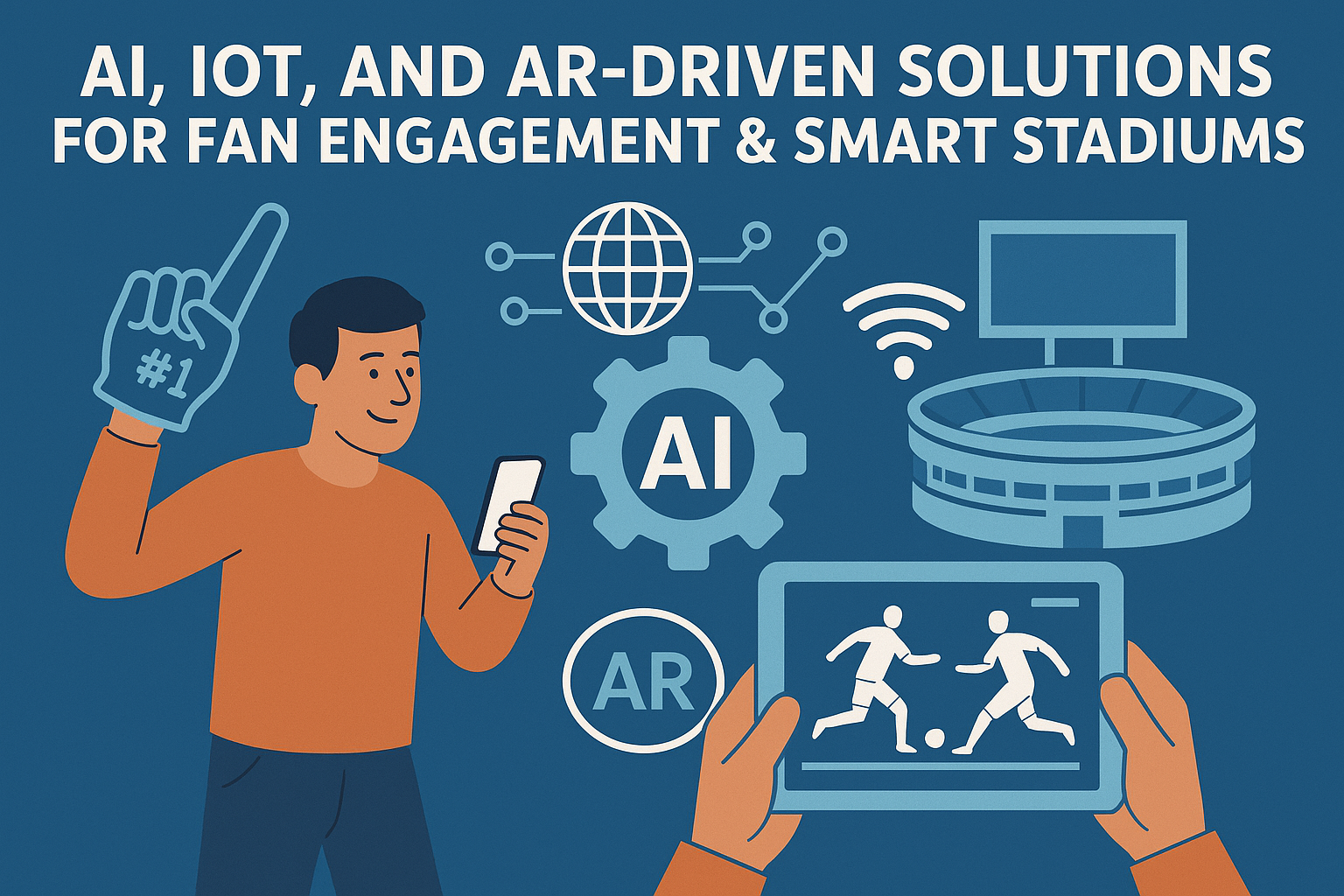
A Smart Stadium would use real-time data analytics, AI-powered personalization, interactive content, mobile engagement, and IoT-based automation to offer:
- Frictionless entry & ticketing with biometrics and NFC technology
- Smart concessions & retail with mobile ordering and cashless payments
- Augmented Reality (AR) & AI-driven engagement via mobile apps and wearables
- Personalized in-game content & rewards for fans
- Real-time crowd management using AI-powered surveillance
Pain Points
- Long Entry Lines & Ticket Scanning Delays
- Fans face frustrating wait times at entry points due to manual scanning, security checks, and paper ticketing.
- Slow & Inefficient Concessions
- Fans miss game moments due to long queues at food stalls; vendors struggle with peak-time demand.
- Limited Fan Interaction & Engagement
- Fans want interactive experiences, exclusive content, and in-game participation but currently have limited options.
- Poor Connectivity & Wi-Fi Issues
- Overloaded networks make it hard for fans to stream, share, or access digital content inside stadiums.
- Lack of Personalized Experiences
- Fans receive generic promotions instead of personalized rewards, offers, and content tailored to their preferences.
- Inadequate Wayfinding & Navigation
- Large stadiums lack smart guidance systems, making it difficult for fans to locate seats, amenities, and exits.
- Security & Safety Challenges
- Crowd control, emergency management, and unauthorized access remain major concerns for stadium operators.
- Missed Revenue Opportunities for Teams & Sponsors
- Traditional advertising lacks personalization and real-time engagement, reducing sponsor ROI.
- Limited Engagement for Remote Fans
- Digital audiences lack an immersive experience and feel disconnected from in-stadium excitement.
- Data Silos & Lack of Real-Time Insights
- Stadium operators struggle with fragmented data from ticketing, concessions, and engagement platforms, preventing real-time decision-making.
Key Competitors & Their Offerings
- VenueNext (Acquired by Shift4)
- Provides mobile ordering, contactless payments, and fan engagement solutions for stadiums.
- Used by NFL, NBA, and MLB teams.
- IBM Watson Sports & Entertainment
- AI-driven fan engagement, real-time data analytics, and interactive in-game experiences.
- Powers Wimbledon’s digital fan experience.
- SAP Sports One
- Advanced analytics for team performance, fan engagement, and stadium management.
- Used by top European football clubs.
- Cisco Connected Stadium
- Smart stadium infrastructure with high-speed Wi-Fi, digital signage, and security solutions.
- Deployed in stadiums like Levi’s Stadium (NFL).
- Daktronics
- Provides large-scale LED displays, in-stadium digital signage, and interactive fan content.
- Works with major sports leagues worldwide.
Market Maturity & Gaps
Market Maturity:
- The smart stadium market is expected to reach $22B by 2030, growing at 17% CAGR.
- Stadiums are adopting cashless systems, AI-driven analytics, AR/VR engagement, and 5G connectivity.
- Adoption is highest in NFL, NBA, European football, and the Olympics.
Gaps in Current Offerings:
- Limited Real-Time Personalization – Most solutions offer static engagement instead of AI-driven personalized experiences.
- Fragmented Fan Data – Teams and stadiums struggle to unify ticketing, concessions, and engagement data.
- Remote Fan Experience Lags – AR/VR is still underutilized for remote engagement.
- Security & Access Control – Stadiums need better biometric and AI-driven access management.
- Monetization Strategies – More innovative revenue models are needed beyond ticket sales and ads.
Product Vision
Key Areas to Define
- What gaps will our product address?
- What strengths can we leverage?
- How will we differentiate from competitors?
- What are potential concerns and challenges?
- What revenue potential exists?
Product Vision Statement
“Transforming stadiums into intelligent, immersive, and interactive environments where fans experience seamless engagement, stadium operators optimize efficiency, and sports organizations unlock new revenue streams through AI, IoT, and real-time analytics.”
Our Smart Stadium & Fan Engagement Platform will integrate AI-driven personalization, frictionless entry, immersive AR/VR experiences, mobile-based interactivity, and real-time crowd intelligence to enhance both in-stadium and remote fan experiences.
The platform will:
✔ Reduce wait times with AI-powered mobile ordering and smart queuing.
✔ Enhance engagement through interactive AR, gamification, and real-time polls.
✔ Provide personalized content using AI-driven fan behavior insights.
✔ Optimize operations with IoT-powered crowd monitoring and dynamic ticketing.
✔ Ensure security through biometric-based seamless entry and AI surveillance.
Use Cases
- AI-Powered Personalized Fan Experiences
- AI recommends best food, merchandise, and game-day activities based on fan preferences.
- Frictionless Ticketing & Stadium Entry
- Facial recognition and NFC-enabled ticketing eliminate long entry lines.
- Smart Concessions & Mobile Ordering
- Fans order food & drinks via an app and receive notifications when ready for pickup.
- AR & VR-Based Fan Interactions
- AR-powered player stats, holographic replays, and virtual meet-ups with athletes.
- Real-Time Crowd & Traffic Management
- AI monitors crowd density and suggests optimized entry/exit points.
- Live Betting & Interactive Game Features
- Fans place real-time bets and participate in interactive mini-games inside the app.
- 5G-Powered Streaming for Remote Fans
- Multi-angle live streaming and AR-enhanced digital experiences.
- Smart Merchandise & Cashless Payments
- AI suggests merchandise, and payments happen via mobile or NFC wearables.
- AI Chatbots for Stadium Assistance
- Real-time chatbots guide fans to seats, restrooms, and concessions.
- Sponsor & Advertiser Customization
- Brands dynamically target fans with in-game interactive ads based on real-time engagement.
Summary
The sports and live entertainment industry is rapidly evolving, with fans demanding more immersive, interactive, and seamless experiences. Traditional stadiums face major challenges such as long entry lines, inefficient concessions, poor connectivity, and lack of real-time fan engagement. Additionally, remote fans often feel disconnected from the in-stadium excitement, while teams and sponsors struggle to personalize experiences and maximize revenue.
Our Smart Stadium & Fan Engagement Platform solves these issues by leveraging AI, IoT, AR/VR, and blockchain to create a connected, data-driven, and highly engaging environment. Key innovations include:
✔ AI-driven personalization – Recommending content, merchandise, and food orders based on fan preferences.
✔ Frictionless stadium entry – Facial recognition and NFC ticketing for a seamless check-in experience.
✔ Augmented Reality (AR) engagement – Live player stats, holographic replays, and gamified experiences.
✔ AI-powered crowd management – Real-time tracking to optimize traffic flow and enhance security.
✔ Smart concessions – Mobile ordering, cashless payments, and automated pickup stations.
With a five-year roadmap focused on expanding from sports leagues to esports and entertainment venues, the solution is poised to disrupt the $22B smart stadium market. By integrating 5G connectivity, edge computing, and blockchain-based NFT ticketing, this platform will redefine the future of live event experiences, ensuring deeper fan engagement and new revenue opportunities for teams, stadiums, and sponsors. 🚀