
Problem Statement
The transportation of raw materials is a critical component of supply chain management, yet it remains one of the most expensive and unpredictable aspects of operations. Many suppliers, particularly those in industries like manufacturing, construction, and agriculture, face rising logistics costs due to fuel prices, inefficient infrastructure, poor route optimization, and regulatory bottlenecks. These challenges are even more pronounced in regions where roads, ports, and rail networks are underdeveloped, leading to delays, spoilage, and higher freight charges.
For suppliers, high logistics expenses reduce profit margins and make their products less competitive in the market. In industries with tight cost structures, even minor fluctuations in transportation costs can determine whether a company remains profitable. Additionally, the lack of real-time tracking and data analytics means that many businesses cannot optimize routes, leading to inefficiencies and further cost overruns.
A tech-driven approach, such as an AI-based logistics optimization platform or shared freight networks, could help suppliers cut costs and improve efficiency.
Pain Points
High Fuel & Freight Costs – Rising fuel prices and inefficient logistics increase transportation expenses.
Poor Infrastructure – Bad roads, congested ports, and limited rail networks lead to delays and higher costs.
Lack of Route Optimization – Inefficient planning results in longer trips, wasted fuel, and higher costs.
Regulatory & Compliance Issues – Bureaucratic delays and inconsistent regulations increase operational inefficiencies.
Limited Data Analytics & Visibility – Suppliers lack real-time tracking, making it difficult to optimize deliveries.
Freight Consolidation Challenges – Many suppliers cannot optimize load-sharing, leading to half-empty trucks and wasted capacity.
Weather & External Disruptions – Extreme weather events cause unexpected delays, increasing costs.
Dependence on Third-Party Logistics Providers – Many businesses lack in-house logistics, leading to higher reliance on expensive services.
Supply Chain Bottlenecks – Delays in one part of the logistics chain cause ripple effects, impacting multiple stakeholders.
Price Volatility in Transportation Services – Fluctuating transportation rates make it hard for suppliers to predict costs accurately.
Stakeholders & Their Roles
- Raw Material Suppliers – Need cost-effective transportation to deliver materials on time
- Manufacturers – Rely on timely raw material deliveries to maintain production schedules
- Logistics Providers – Seek ways to optimize routes and reduce fuel consumption
- Government & Infrastructure Authorities – Impacted by policies on transportation and trade regulations
- Retailers & End Consumers – Face increased product prices due to high transportation costs
Innovations in Logistics & Supply Chain Optimization
- AI-powered route optimization – Reduces transportation costs by selecting the most efficient routes.
- Autonomous trucks – Self-driving technology to minimize labor costs and increase efficiency.
- Blockchain for supply chain transparency – Enhances trust and reduces fraud in freight transactions.
- IoT-based real-time tracking – Helps suppliers monitor shipments with greater accuracy.
- Predictive analytics for demand forecasting – Improves supply chain planning and inventory management.
- Crowdsourced delivery networks – Uses gig economy drivers to reduce logistics costs.
- Green logistics & electric trucks – Reduces fuel dependency and operating costs.
- Warehouse automation & robotics – Streamlines supply chain operations to lower costs.
- Hyperloop freight transportation – A futuristic concept aiming to move goods at ultra-high speeds.
- Digital freight matching platforms – Connects shippers and carriers dynamically to improve load efficiency.
Recent Investment Trends in This Sector
- Project44 raised $420M in January 2022 from A16Z, Goldman Sachs, and other investors.
- Flexport secured $935M in February 2022, backed by Shopify and SoftBank.
- Convoy received $260M in April 2022 to enhance its AI-driven freight platform.
- Sennder raised $80M in June 2023 to expand its European digital freight network.
- Locus raised $50M in 2023 to advance AI-powered route optimization.
Market Maturity & Gaps
- The logistics technology market is mature in developed regions (U.S., Europe) but still developing in emerging economies.
- While many solutions focus on real-time tracking, AI-powered optimization, and digital freight matching, cost-effective solutions for fragmented supply chains (especially in underdeveloped areas) are still lacking.
- Many platforms cater to large enterprises, leaving small-to-medium businesses struggling with high logistics costs.
- Multi-modal logistics optimization (seamless integration of road, rail, and waterways) remains an underdeveloped area.
Product Vision
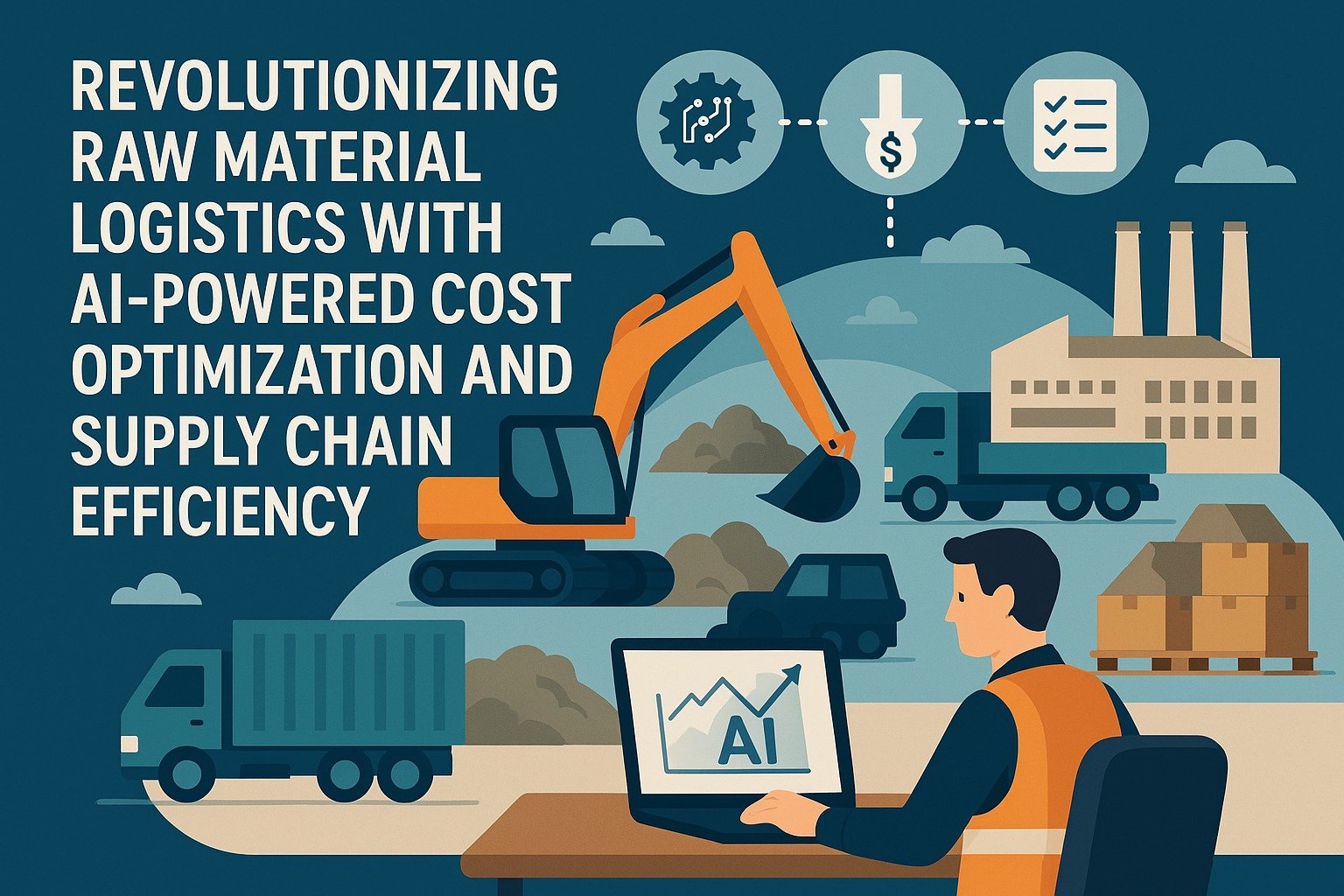
In an era where transportation inefficiencies significantly impact supplier competitiveness, our product—SmartFreight AI—will revolutionize raw material logistics through AI-driven route optimization, real-time tracking, and freight consolidation.
The core value proposition is to reduce transportation costs by 20-30% by enabling suppliers to optimize shipments, leverage shared freight networks, and access dynamic pricing for logistics services. The platform will integrate AI-powered analytics, IoT-based tracking, and blockchain for transparent freight transactions, ensuring lower costs, faster deliveries, and improved supply chain visibility.
SmartFreight AI will cater to small-to-medium enterprises (SMEs), addressing a major gap in the market. It will also support multi-modal logistics (road, rail, and waterways) to help suppliers in regions with poor infrastructure find the most cost-effective routes.
With automated freight matching, suppliers can pool shipments with other businesses, ensuring trucks run at full capacity and reducing empty miles. Additionally, predictive analytics will forecast demand fluctuations and suggest the best times for transportation to avoid price surges.
By bringing together AI-driven optimization, real-time data visibility, and cost-effective logistics solutions, SmartFreight AI will empower suppliers to increase profitability and reduce operational inefficiencies.
Use Cases
- AI-Powered Route Optimization – Determines the most cost-efficient routes based on fuel costs, traffic, and infrastructure.
- Dynamic Freight Matching – Connects suppliers with available transport providers to reduce empty truck space.
- Real-Time Tracking & Visibility – Allows suppliers to monitor shipments with IoT sensors and GPS.
- Multi-Modal Logistics Optimization – Suggests cost-effective transport combinations (road, rail, waterways).
- Freight Cost Prediction – Uses AI to forecast transportation costs based on demand and external factors.
- Automated Compliance & Documentation – Reduces delays by streamlining regulatory paperwork.
- Blockchain for Transparent Transactions – Ensures secure, verifiable contracts between shippers and carriers.
- Weather & Disruption Alerts – Predicts delays due to weather conditions and suggests alternatives.
- Load Consolidation for SMEs – Allows small businesses to share truckloads, reducing costs.
- Sustainability Tracking – Monitors carbon footprint and suggests eco-friendly transport options.
Summary
The high cost of transporting raw materials, especially in regions with poor infrastructure, significantly reduces supplier profitability and competitiveness. Inefficiencies such as empty truck miles, fluctuating freight costs, lack of real-time tracking, and regulatory bottlenecks create major challenges for suppliers and logistics providers.
SmartFreight AI is an AI-driven logistics optimization platform that helps businesses reduce transportation costs by 20-30% through intelligent route planning, dynamic freight matching, real-time IoT tracking, and blockchain-based smart contracts. The platform enables suppliers to maximize truck capacity, predict freight costs, and optimize shipments across multiple transport modes (road, rail, waterways).
With AI-powered disruption alerts, automated compliance management, and sustainability tracking, SmartFreight AI ensures seamless, cost-effective, and environmentally friendly logistics operations. The platform is designed to empower SMEs that are often underserved by existing logistics solutions like Flexport, Uber Freight, and Convoy.
The product roadmap includes an MVP within 6 months, beta testing in 12 months, and full-scale launch in 18 months, with a goal to reach $250M+ in revenue within five years. By eliminating inefficiencies, improving supply chain visibility, and reducing costs, SmartFreight AI is set to transform global logistics and drive sustainable supply chain innovation.