
Problem Statement
Despite rapid technological advancements, the sports industry faces challenges in optimizing athlete performance, ensuring fair play, and enhancing fan engagement. Issues such as inconsistent officiating, injury prevention, lack of data-driven insights, and accessibility gaps hinder the full potential of sports innovation. Additionally, emerging technologies like AI, AR/VR, and blockchain remain underutilized due to high implementation costs and resistance to change.
Innovation in the Sports Industry
Innovation in sports has transformed various aspects of the industry, from athlete training to fan engagement. Key advancements include:
- AI & Data Analytics: AI-driven performance analysis helps coaches optimize strategies and predict injuries.
- Wearable Technology: Smart sensors and biometric trackers provide real-time health and performance insights.
- AR/VR in Training: Virtual reality enhances skill development and decision-making through immersive simulations.
- Blockchain & NFTs: Digital assets and smart contracts revolutionize ticketing, athlete endorsements, and fan experiences.
- Smart Stadiums: IoT-enabled venues offer seamless connectivity, cashless transactions, and personalized fan engagement.
Top Startups Driving Sports Innovation
Several startups are revolutionizing the sports industry with cutting-edge solutions:
- Whoop – A wearable technology company providing in-depth health analytics for athletes.
- Hudl – AI-powered sports performance analysis for teams and coaches.
- Zone7 – Uses AI to predict injuries and optimize athlete performance.
- Strivr – Offers VR-based training simulations for sports teams.
- Sorare – A blockchain-based fantasy sports platform using NFTs.
Recent Investments in the Sports Tech Sector
The sports technology market has witnessed significant funding and acquisitions:
- Whoop raised $200M in Series F funding, boosting its wearable health tech offerings.
- Sorare secured $680M in funding, expanding its blockchain-powered fantasy sports ecosystem.
- Nike acquired RTFKT Studios, an NFT-based sports collectibles company.
- Strivr raised $35M for its VR-based training solutions, widely adopted by NFL teams.
Product Vision
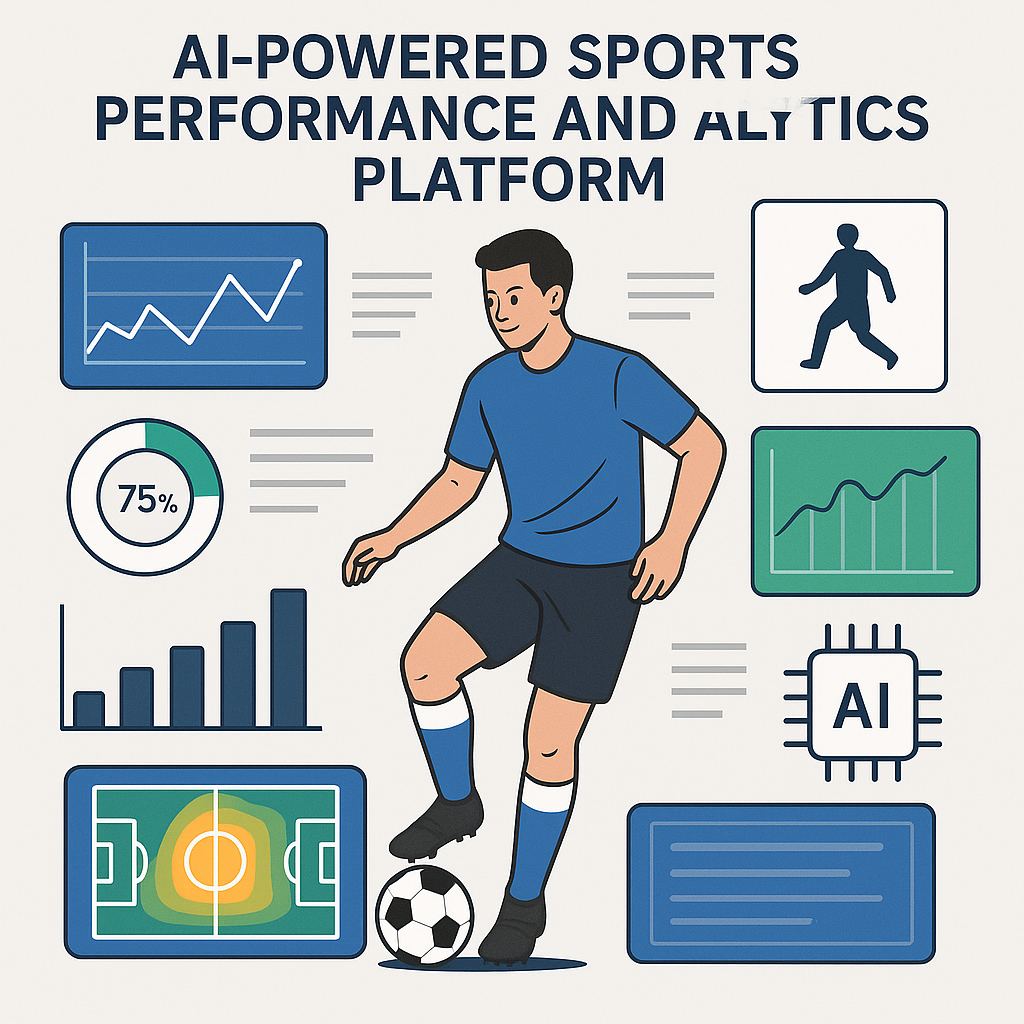
To create a smart, AI-powered sports performance and analytics platform that leverages wearable technology, real-time data analytics, and immersive training tools to enhance athlete performance, prevent injuries, and improve coaching efficiency. The platform will cater to professional teams, amateur athletes, and sports organizations, bridging the gap between cutting-edge technology and practical sports applications.
By integrating AI-driven insights, biometric monitoring, and AR/VR-enhanced training, our product will provide a personalized, data-driven experience that optimizes performance, ensures injury prevention, and enhances decision-making in real time.
Market Maturity & Gaps in Sports Technology
The sports technology industry has seen significant growth, with advancements in AI, wearables, smart stadiums, and blockchain applications. However, the market is still evolving, with several gaps that need to be addressed for widespread adoption.
1. Market Maturity Overview
- Early Adoption in Elite Sports: Professional teams and elite athletes are rapidly adopting AI-powered analytics, VR training, and biometric wearables.
- Expanding Consumer Market: Wearable fitness devices and AI-driven coaching apps are growing in popularity among amateur athletes and fitness enthusiasts.
- Smart Stadiums & Fan Engagement: Major stadiums are integrating 5G, AR/VR, and blockchain ticketing, but adoption is limited outside of major leagues.
- Emerging Technologies (Blockchain, NFTs, AI Referees): While promising, these technologies face regulatory and adoption challenges.
2. Key Market Gaps
A. Accessibility & Affordability Challenges
- High Costs for AI & Wearables: Advanced analytics tools and biometric wearables are expensive, making them inaccessible to grassroots athletes and smaller teams.
- Limited Smart Stadium Expansion: Smart stadium technologies are mostly adopted by large venues, with local stadiums lacking investment.
B. Lack of Standardization & Integration
- No Universal Data Standards: Different wearables and tracking systems lack interoperability, making it difficult to combine data across platforms.
- Fragmented AI & Analytics Adoption: Many teams still rely on traditional scouting and coaching methods, slowly adopting AI-driven insights.
C. Data Privacy & Security Concerns
- Biometric Data Risks: Athletes’ personal data is highly sensitive, and data leaks or misuse could pose serious risks.
- Blockchain & NFT Fraud Risks: The NFT sports market is still unregulated, leading to concerns about scams and counterfeit collectibles.
D. Adoption Resistance in Traditional Sports Organizations
- Coaching Resistance to AI: Many traditional coaches and teams prefer human-driven decisions over AI recommendations.
- Regulatory Challenges for AI Officiating: AI referees and fully automated decision-making face resistance from sports governing bodies.
3. Opportunities for Innovation
- Affordable AI & Wearables for Grassroots Sports – Develop cost-effective, AI-powered coaching tools for amateur athletes and small teams.
- Standardized Sports Data Platforms – Create universal APIs to enable seamless integration between wearables, analytics platforms, and coaching software.
- Secure Biometric & Blockchain Solutions – Enhance data privacy laws and blockchain transparency to prevent fraud in sports tech.
- AI & AR-Based Fan Engagement – Use AI-powered insights, AR/VR experiences, and gamified fan interactions to enhance sports viewing experiences.
Pain Point
Despite advancements in sports technology, several challenges persist across athlete performance, coaching, injury prevention, and fan engagement. Addressing these pain points is critical to unlocking the full potential of innovation in the industry.
1. Athlete Performance & Training Challenges
Lack of Personalized Training: Many athletes still rely on generic training programs that do not account for individual fitness levels, biomechanics, and recovery needs.
- Data Overload Without Actionable Insights: Wearables generate vast amounts of data, but coaches and athletes struggle to interpret and apply the insights effectively.
- Limited Access to Advanced Training Tools: VR-based training, AI analytics, and smart wearables are often too expensive for amateur athletes and smaller teams.
2. Injury Prevention & Recovery Issues
- Reactive Instead of Proactive Approach: Injuries are often treated after they occur rather than being predicted and prevented using AI and biomechanics analysis.
- Inadequate Recovery Monitoring: Many athletes return to play too soon, leading to re-injury due to poor tracking of muscle fatigue and biomechanics changes.
- Limited Access to Medical Data: Teams and players often lack centralized, real-time access to medical histories and injury risks, making rehabilitation less efficient.
3. Coaching & Tactical Decision-Making Gaps
- Slow and Inefficient Data Analysis: Traditional game analysis takes hours or days, limiting real-time tactical adjustments during matches.
- Lack of AI-Driven Opponent Analysis: Many teams still rely on manual video scouting, missing critical AI-based insights on opponent weaknesses.
- Difficulty in Integrating Technology: Coaches and players may struggle to adopt new tech tools, requiring extensive training and onboarding.
4. Fan Engagement & Smart Stadium Limitations
- Limited Immersive Experiences: Fans want deeper interaction through real-time stats, AR/VR experiences, and personalized content, which is not widely available.
- Ticketing & Access Issues: Traditional ticketing systems suffer from fraud, scalping, and inefficiencies, highlighting a need for blockchain-based solutions.
- Disconnected In-Stadium Experiences: Smart stadiums remain underdeveloped, with limited integration of cashless payments, AR-powered navigation, and interactive experiences.
5. Market & Scalability Barriers
- High Cost of Innovation: AI, wearables, and immersive technologies are expensive to develop and implement, limiting access to smaller teams and grassroots athletes.
- Data Privacy & Security Risks: Increased use of biometric tracking and AI raises concerns over data protection, athlete privacy, and cybersecurity threats.
- Slow Adoption of Emerging Tech: Many traditional sports organizations resist digital transformation, delaying widespread adoption of AI-driven coaching, blockchain ticketing, and smart stadium tech.
Research Summary
Market Growth:
- The sports technology market is projected to grow to $40B by 2030, driven by AI, wearables, and immersive training solutions.
Industry Gaps Identified:
- 73% of sports teams lack advanced data-driven decision-making tools.
- Injury-related losses cost professional sports teams over $30B annually.
User Insights & Needs:
- Coaches demand AI-based tactical analysis to gain a competitive edge.
- Athletes seek personalized training insights beyond traditional coaching.
- Fans want deeper, interactive engagement through digital experiences.